How to Create a Senior-Proof Home: The Home Safety Guide You Need Today
Improve senior safety at home with this room-by-room home safety checklist. Learn essential tips to prevent falls and create a safer environment.
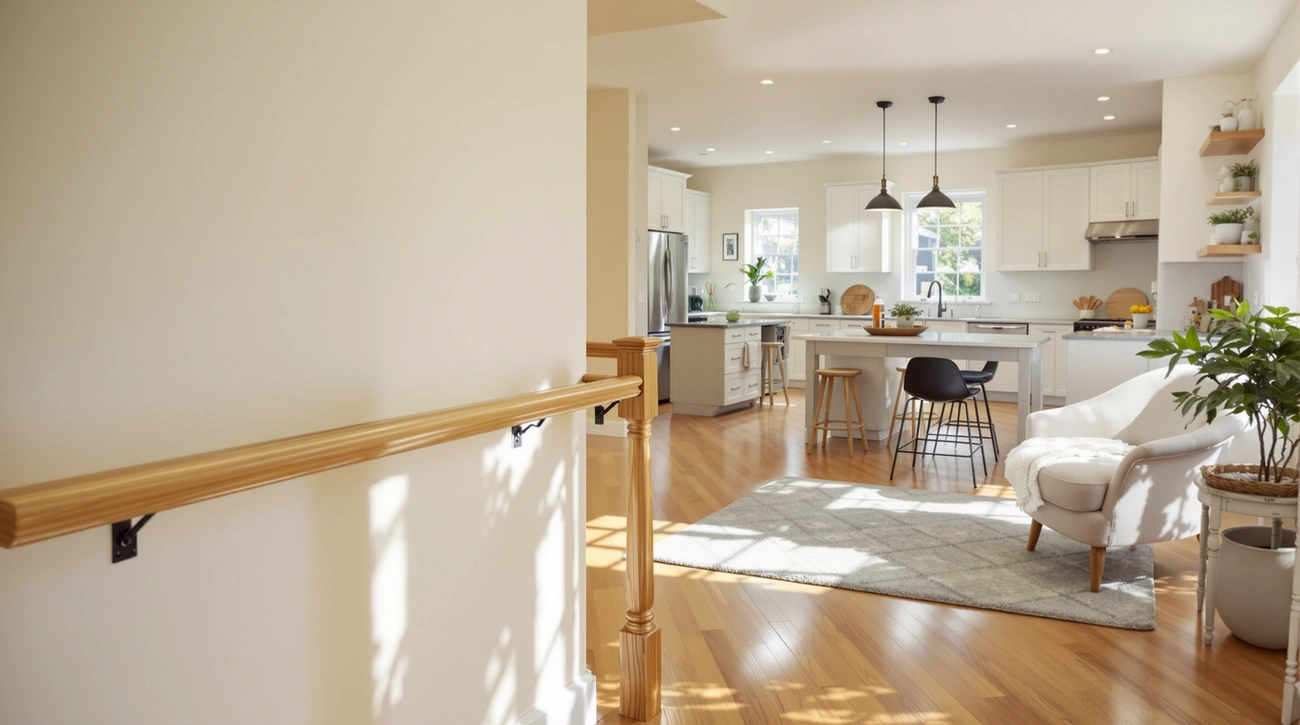
Room-by-Room Home Safety Checklist for Seniors
Making a senior's home safer requires a step-by-step review to spot potential hazards. This room-by-room safety checklist helps you focus on areas where accidents happen most often.
Bathroom: grab bars, walk-in tubs, nonslip mats
Bathrooms pose the highest risk for seniors at home. You should install grab bars near the toilet, shower, and bathtub to provide support. These bars work best when mounted between 33 and 38 inches above the walking surface and anchored firmly to wall studs [1] . The bars need at least 1½ inches of space from nearby surfaces so seniors can grip them properly [2] .
Nonslip bath mats with suction cups help prevent falls by adding traction on wet surfaces. Make sure these mats stick firmly to the tub or shower floor with hundreds of suction cups [3] .
Walk-in tubs with watertight doors make bathing safer for seniors who have trouble moving. These tubs come with a low step-in threshold (3-6 inches), built-in seats, and grab bars [4] . They cost between $2,000 and $10,000 , but this is a big deal as it means that seniors with mobility issues can bathe safely [5] .
Kitchen: auto-shutoff appliances, reachable storage
Cooking fires lead all home fire causes, and 47% happen because someone left the stove unattended [6] . Auto-shutoff devices detect smoke and turn off appliances before a disaster strikes [7] . Family members worry less knowing these devices protect their loved ones who might forget about active burners.
A well-organized kitchen makes daily tasks safer and easier. Keep everyday items between waist and shoulder height to avoid too much bending or reaching [8] . Pull-out shelves in bottom cabinets prevent deep bending, and lazy Susans make corner items easy to reach [9] .
Bedroom: bed height, night lighting, clutter control
Seniors need their bed height between 20 and 23 inches from floor to mattress top. This lets them place their feet flat while sitting [10] and makes standing up easier.
Motion-activated night lights light up spaces without any need to search for switches in the dark [11] . Lights near the floor work great for bathroom trips at night and help prevent falls [12] .
Clear paths help seniors move safely. Remove extra furniture and create enough space for walking aids [13] . Regular decluttering keeps the area around the bed free of tripping hazards [14] .
Stairs and hallways: handrails, lighting, clear paths
Handrails on both sides of stairs are vital for support. They should run the full length of each flight and be strong enough to hold an adult's weight [15] .
Good lighting makes a difference, with switches at both ends of the stairs [16] . Adding contrast colors or tape to stair edges helps seniors see and judge steps better [16] .
Keep hallways and stairs free of obstacles and loose rugs. These simple changes help prevent trips and falls as seniors move between rooms [17] .
Fall Prevention and Mobility Enhancements
Fall prevention needs more than just room modifications. You need a detailed approach to improve mobility throughout your home. Falls continue to be the leading cause of injuries among adults 65 and older [18] .
Removing tripping hazards
One in four older adults falls each year. People who fall once are twice as likely to fall again [18] . Eliminating tripping hazards is vital. You should replace loose floor coverings with secured options because uneven flooring can lead to trips. This is especially true for people with visual impairments or conditions like Parkinson's disease [19] . Area rugs need secure fastening with non-slip pads or should be removed completely. These decorative items can pose serious fall risks [20] .
Your home needs clear pathways without clutter. Keep shoes, books, and electrical cords away from walking areas [21] . Papers, clothes, and other objects should never be left on floors or stairs where someone could trip [21] .
Installing ramps and stairlifts
Ramps do more than just bridge levels - they give seniors a vital connection to maintain mobility and independence [22] . Professional installers recommend a slope ratio of 1:12. This means you need at least 12 inches of ramp length for every inch of elevation [22] . Following this guideline will give a safe and usable ramp.
Stairlifts work well in multi-level homes. They cost between $2,500-$8,000 depending on the model you need - straight, curved, or outdoor [23] . Straight stairlifts usually cost less than curved ones because curved models need custom tracks [24] .
Choosing slip-resistant flooring
The right floor can greatly reduce fall risks. Rubber flooring gives excellent grip even when wet, making it perfect for bathrooms and kitchens [25] . Cork provides natural traction and cushions falls, but it can get damaged by moisture [20] .
Stay away from these dangerous flooring types:
-
Polished natural stone and high-gloss hardwood (very slippery) [20]
-
Ceramic or porcelain tile (cold, hard, and needs maintenance) [20]
-
Area rugs without secure backing (major tripping hazards) [25]
Low-pile carpet creates a soft, warm surface that works well for seniors with walkers [20] . Vinyl flooring balances water resistance, durability, and easy maintenance [20] .
Emergency Preparedness and Security
Safety in senior homes goes beyond physical changes. A reliable emergency response system adds a crucial protective layer that will give a quick response during unexpected events.
Smoke and CO detectors
Smoke alarms throughout the home are your first defense against fire emergencies. Working smoke alarms cut the risk of fire-related deaths by 50%, according to the National Fire Protection Association [26] . The best protection comes from interconnected alarms that trigger all units when one detects smoke [27] . You should place these detectors on each floor, inside bedrooms, and right outside sleeping areas [28] .
CO detectors need different positioning than smoke alarms. These devices work best when mounted lower on walls since CO weighs slightly more than air. Placement below sleeping areas helps alert residents before any harm occurs [29] . The core team suggests testing these alarms monthly, and you should replace batteries twice yearly [28] .
Medical alert devices
Seniors can get immediate emergency help through medical alert systems that use wearable pendants, wristbands, or wall buttons. These connect users to monitoring centers where trained staff send appropriate help based on each situation [30] .
The right system should have water resistance that works in showers, fall detection features, and GPS tracking for outdoor safety [1] . Modern systems come with caregiver apps that show location updates and track activities [31] . Seniors with hearing difficulties should look for devices that use visual alerts or vibration [32] .
Emergency contact visibility
First responders need quick access to family contact information during emergencies. A contact list near phones and on refrigerators helps them reach family members fast [33] .
A lockbox with a spare house key works well, especially if you register its code with your medical alert system. Emergency teams can enter without breaking doors this way [31] . Your emergency plan should list medications, allergies, and medical conditions that responders need to know [34] .
Supporting Mental and Social Well-Being
Social connection plays a key role in keeping seniors safe at home. A senior's physical health depends heavily on their mental well-being, and social activities become crucial as aging adults face isolation risks.
Check-in systems with family or neighbors
Seniors who live independently need regular safety monitoring through check-ins. Services like Iamfine run automated safety checks daily and alert chosen contacts when seniors don't respond [35] . These systems can spot emergencies in hours instead of days. ConfirmOk lets you set check-in times that match a senior's daily schedule and sends quick alerts to care teams about completed or missed calls [36] . Local organizations also run free check-in programs through volunteers.
Smart devices for reminders and video calls
Amazon Alexa and Google Home let seniors control their homes, get medication reminders, and call for help without using their hands. Research shows that 85% of seniors feel less lonely when they use voice assistants [37] . The Amazon Echo Show 8 makes video calls with family easy and controls smart home features through voice commands [38] . GrandPad works great for seniors who aren't tech-savvy - it has an easy-to-use screen for video calls and comes with built-in 4G LTE, so there's no need for WiFi [4] .
Transportation options for appointments and events
Seniors need reliable rides to stay connected with their community. Most counties help residents over 60 get to medical appointments, grocery stores, and social activities [39] . They can choose from volunteer drivers, door-to-door assistance through para-transit, or ride-sharing services [5] .
Conclusion
A senior-proof home needs careful planning before accidents happen. This piece covers vital safety upgrades ranging from bathroom grab bars to kitchen organization, bedroom changes, and stairway improvements. These small physical adjustments can improve independence for aging adults and reduce fall risks by a lot.
Fall prevention is the life-blood of senior home safety. You need to remove tripping hazards, install proper mobility aids, and choose the right flooring materials to support aging loved ones. It also helps to have emergency preparedness systems that provide vital protection during critical moments when accidents occur.
Note that home safety goes beyond physical changes. Social connection and mental well-being are equally important for overall senior safety. Smart technology, regular check-ins, and reliable transportation options help curb isolation while promoting independence.
These changes should happen now, not after an accident. Each upgrade is an investment in your senior loved one's dignity, independence, and quality of life. Home should feel comfortable and secure at every stage of life.
Start small today—maybe tackle one room or add a single safety feature. You can then make your home senior-friendly step by step. These careful adjustments will give everyone peace of mind and let seniors age in place safely with confidence.
Key Takeaways
Creating a senior-proof home involves strategic modifications across every room to prevent falls, enhance mobility, and ensure emergency preparedness. These changes enable aging adults to maintain independence while staying safe in their own homes.
• Install grab bars, nonslip mats, and proper lighting in bathrooms—the most dangerous room for seniors • Remove tripping hazards like loose rugs and clutter while ensuring clear pathways throughout the home • Place emergency contact information visibly and install interconnected smoke/CO detectors for rapid response • Establish regular check-in systems and use smart devices to combat isolation and support mental well-being • Start implementing changes now rather than waiting for accidents—small modifications make significant safety differences
The most effective approach combines physical home modifications with social support systems. Remember that home safety extends beyond preventing falls to include maintaining dignity, independence, and quality of life for seniors aging in place.
FAQs
Q1. What are the most important safety modifications for a senior's bathroom? The most crucial safety modifications for a senior's bathroom include installing grab bars near the toilet and in the shower/bathtub area, using nonslip bath mats with suction cups, and considering a walk-in tub for those with limited mobility. These changes significantly reduce the risk of falls in one of the most dangerous areas of the home.
Q2. How can I prevent falls in my elderly parent's home? To prevent falls, remove tripping hazards like loose rugs and clutter, ensure clear pathways throughout the home, install proper lighting (especially on stairs), and consider slip-resistant flooring options. Additionally, installing handrails on both sides of staircases and using night lights can greatly enhance safety.
Q3. What are some essential emergency preparedness measures for seniors living alone? Essential emergency preparedness measures include installing interconnected smoke and carbon monoxide detectors, using medical alert devices with fall detection, and placing emergency contact information in visible locations. It's also advisable to have a lockbox with a spare key for emergency responders.
Q4. How can smart technology help improve safety for seniors at home? Smart technology can significantly enhance safety for seniors by providing medication reminders, enabling hands-free control of home functions, and facilitating video calls with family members. Voice assistants and smart displays can help reduce loneliness and provide easy access to emergency services if needed.
Q5. What are some effective ways to support a senior's mental and social well-being at home? To support a senior's mental and social well-being, establish regular check-in systems with family or neighbors, utilize smart devices for video calls and reminders, and ensure access to reliable transportation for appointments and social events. These measures help combat isolation and maintain important social connections.
References
[1] -
https://www.forbes.com/health/medical-alert-systems/best-medical-alert-systems/
[2] -
https://www.mrhandyman.com/nova-arlington-to-haymarket/about-us/ask-a-pro/2021/october/handrail-installation-101-weve-answered-your-que/
[3] -
https://carex.com/collections/non-slip-safety-bath-mats?srsltid=AfmBOoqam5CmXTs6fMtbPKijas_yEl495I7joK7dRnhERCZwNgp-Fp7Y
[4] -
https://seniorservicesofamerica.com/blog/how-to-choose-a-video-chat-device-for-seniors/
[5] -
https://seniorservicesofamerica.com/blog/what-are-the-options-for-senior-transportation/
[6] -
https://pioneeringtech.com/senior-housing/?srsltid=AfmBOootOIMMixP8XtW2QM7dzG12pirOwuG-kLwUObmMuUD2YIg65Na3
[7] -
https://fireavert.com/?srsltid=AfmBOoplurRb0DyJepuvT2Dh6om7Mbp5XDZ6suI2_lEDgaOLpPdts9iN
[8] -
https://caringseniorservice.com/blog/kitchen-modifications-for-seniors/
[9] -
https://www.aarp.org/caregiving/home-care/accessible-kitchen-organization/
[10] -
https://www.hillrom.com/content/dam/hillrom-aem/us/en/marketing/knowledge/content-marketing/articles/191351-EN-r3_Optimal-Bed-Height_Whitepaper-HR.pdf
[11] -
https://www.azgeneralcontractor.net/post/best-lighting-for-elderly-guide
[12] -
https://agingtoday.com/night-lights/
[13] -
https://www.reviewed.com/accessibility/features/bedroom-organization-ideas-seniors-aging-place-remodeling
[14] -
https://gauthierfhc.com/bedroom-safety-for-seniors-decluttering-and-organizing/
[15] -
https://pmc.ncbi.nlm.nih.gov/articles/PMC12154242/
[16] -
https://www.avonhealthcenter.com/news/senior-health/improving-stair-safety-elderly/
[17] -
https://www.mayoclinichealthsystem.org/hometown-health/speaking-of-health/household-safety-checklist-for-senior-citizens
[18] -
https://www.usfa.fema.gov/prevention/life-safety-hazards/fall-prevention/
[19] -
https://www.nhsinform.scot/healthy-living/preventing-falls/home-safety/prevent-falls-by-identifying-hazards-at-home/
[20] -
https://www.mrhandyman.com/blog/the-best-flooring-for-seniors/
[21] -
https://www.nia.nih.gov/health/falls-and-falls-prevention/preventing-falls-home-room-room
[22] -
https://happytohelpcaregiving.com/essential-ramp-installation-for-seniors-a-caregivers-guide/
[23] -
https://www.ncoa.org/article/stair-lift-costs-a-complete-guide/
[24] -
https://www.101mobility.com/blog/the-ultimate-guide-to-stairlifts-for-seniors/
[25] -
https://www.flooringamerica.com/blog/senior-flooring-safe
[26] -
https://www.consumerreports.org/home-garden/smoke-carbon-monoxide-detectors/best-smoke-and-carbon-monoxide-detectors-of-the-year-a9237799621/
[27] -
https://kidde.com/safety-hub/home-safety/senior-fire-safety
[28] -
https://www.seniorhelpers.com/nc/wilmington/resources/blogs/carbon-monoxide-detector-maintenance-tips-for-seniors/
[29] -
https://step2health.com/blogs/news/protect-your-home-the-role-of-smoke-and-carbon-monoxide-detectors-in-senior-safety?srsltid=AfmBOoqZlbMlgGY1aiRI6a3yA-6UDVNXlql04Y5J9VsoagqwF4FhRv9N
[30] -
https://www.medicalalert.com/
[31] -
https://www.ncoa.org/product-resources/medical-alert-systems/best-medical-alert-systems/
[32] -
https://www.lifealert.com/
[33] -
https://www.ncoa.org/article/emergency-preparedness-101-what-to-do-before-during-and-after-disaster/
[34] -
https://www.redcross.org/get-help/how-to-prepare-for-emergencies/older-adults.html?srsltid=AfmBOopja3ctU0cG3_K4g-o37M9OJcMPtVBNKeADkFqFjjkGrWFL2oFz
[35] -
https://dailycall.iamfine.com/daily-calls-for-seniors-living-alone/
[36] -
https://www.confirmok.com/
[37] -
https://arhomecare.com/blog/7-simple-smart-home-devices-elderly-parents-actually-love-to-use
[38] -
https://www.nytimes.com/wirecutter/reviews/smart-home-for-seniors/
[39] -
https://www.lincolncountync.gov/243/Transportation