Parkinson's Disease Stages: A Family Guide to Symptoms, Progression, and Home Care
Parkinson's disease stages explained — the 5 Hoehn and Yahr stages, what changes when, the on-off medication cycle, falls, and where home care fits.
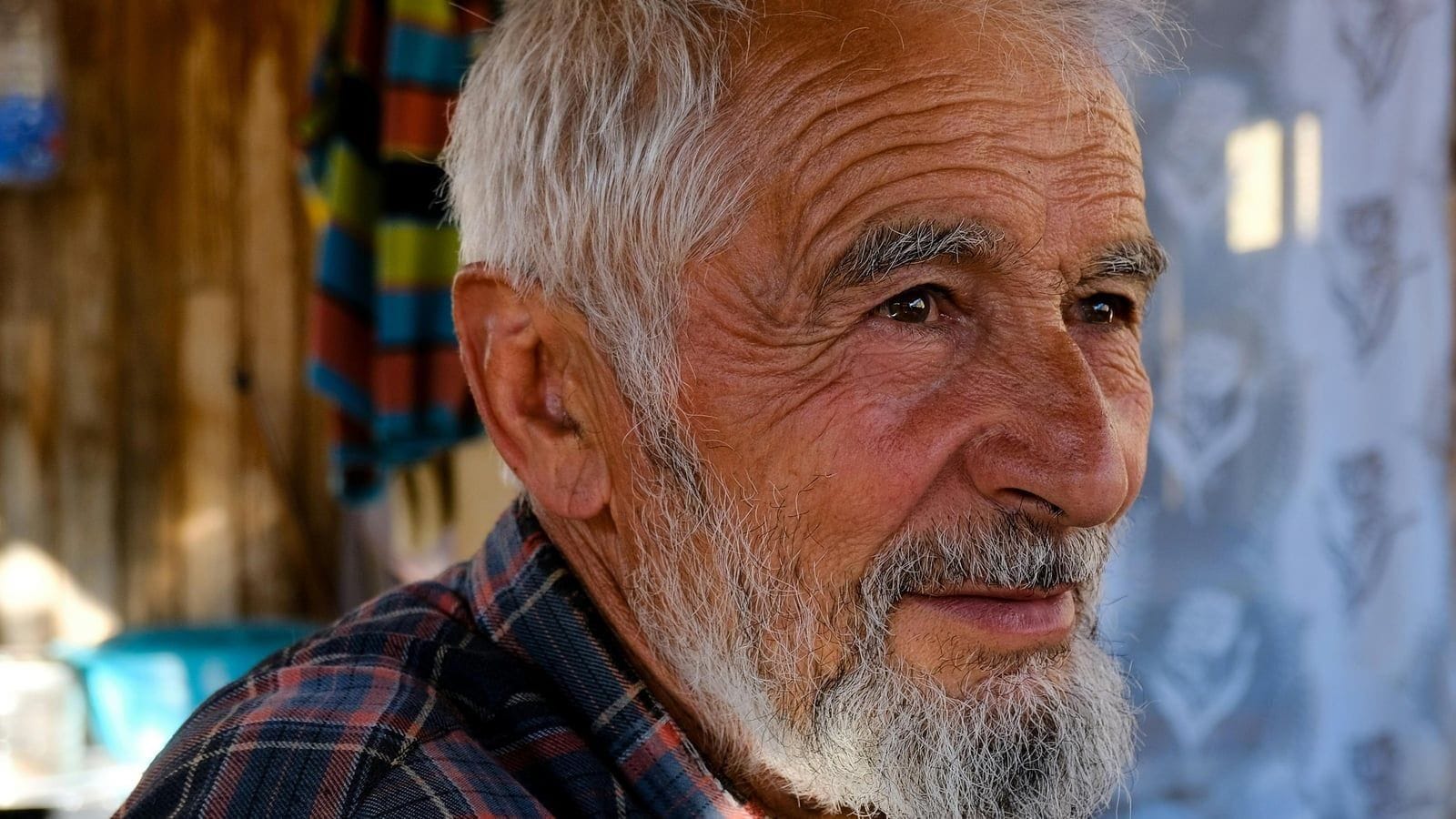
The first thing the daughter noticed, in the spring before the diagnosis, was that her father had stopped swinging his right arm when he walked. It was the smallest possible thing — the kind of detail you only catch when you have walked next to someone for forty years and your body knows the rhythm of theirs. His left arm still swung at his side, easy and natural, the way arms do. The right one hung quietly, as if it had forgotten the assignment. She did not mention it.
By the following winter there was a tremor in that same hand, visible only when it was at rest. It went away when he reached for his coffee cup and came back the moment the cup was on the table. His handwriting had grown smaller, the words crowding together at the right edge of the page. His voice, always a little gruff, had softened to something that the grandchildren had begun asking him to repeat. He still drove. He still cooked Sundays. He still finished his crossword. But the family knew, in the way families know these things long before the neurologist confirms them, that something had quietly arrived.
Parkinson's disease almost always begins this way — in small, half-noticed details that turn out, in retrospect, to have been the first of many. According to the National Institute on Aging , Parkinson's is a brain disorder that causes unintended or uncontrollable movements such as shaking, stiffness, and difficulty with balance, and most people develop it after the age of sixty. What that clean clinical definition leaves out is what the disease actually feels like to live alongside: a slow, uneven, deeply personal unfolding that families learn to read like weather. This guide is for the families who have started learning to read it.
What Parkinson's Actually Is
In the middle of the brain, in a small region called the substantia nigra, a cluster of cells produces dopamine — the chemical messenger that lets the brain tell the body to move smoothly. In Parkinson's disease, those cells begin to die. By the time the first visible symptoms appear, somewhere between fifty and eighty percent of them are already gone. This is why early Parkinson's so often looks like ordinary aging: the brain has been compensating, quietly, for years. The disease was not absent. It was hidden.
The textbook symptoms are four: tremor at rest, rigidity (a stiffness in the muscles that doctors feel as resistance when they move the patient's limb), bradykinesia (slowness of movement), and postural instability (a loss of the automatic reflexes that keep us upright). Not every person gets all four, and the order in which they appear varies. A great many people never have a prominent tremor at all. Many notice the slowness before anything else, and some experience the disease primarily as a problem of gait and balance.
Beyond the movement symptoms — what doctors call the motor symptoms — Parkinson's also has a long list of non-motor symptoms that often arrive years before the diagnosis and sometimes carry more weight in daily life than the tremor ever does. Loss of the sense of smell. Constipation. Acting out of dreams during sleep, sometimes violently (a phenomenon called REM sleep behavior disorder). Depression. Anxiety. A flatness of facial expression that doctors call hypomimia and that family members often experience as a feeling of being looked at without quite being seen. The disease is more than the tremor people know it for.
The Hoehn and Yahr Scale, Used as a Map
Doctors who treat Parkinson's have been using the same five-stage system since 1967, when neurologists Margaret Hoehn and Melvin Yahr published it. The Parkinson's Foundation still describes the disease's progression in those five stages, with stages one and two representing early disease, three representing the middle, and four and five representing the advanced stages. Use the scale the way you would use a map of a mountain — it shows you the features of the terrain ahead, not the exact weather you will hit at each one. Two people in stage three can look very different from each other. The map is for orientation, not for prediction.
Stage 1: Symptoms on one side only. Tremor, stiffness, or other movement symptoms appear on a single side of the body. They are mild. Daily life is largely unaffected. Posture and walking may be subtly different, and facial expression may have flattened a little, but the person is fully independent. This is also when many people first notice the non-motor symptoms — a loss of smell, sleep disturbances, low mood — that have probably been present for some time. Most people are diagnosed at this stage by a neurologist who watches them walk down a hallway, tap their fingers, and answer a few questions, and who knows, by the end of the exam, what they are looking at.
Stage 2: Both sides affected, balance still intact. The same symptoms now appear on both sides of the body. Tremor may be present in both hands. Stiffness and slowness are more noticeable. The voice may have softened. Walking takes longer. Daily tasks — buttoning a shirt, brushing teeth, getting up from a low chair — take more time than they used to. Crucially, balance is still preserved. The person can live alone if they wish. Medication is usually started during stage one or two, and most people respond very well at first; many describe the months after starting levodopa as the closest thing to time travel they have ever experienced.
Stage 3: Balance begins to falter. This is the fork in the road. Stage three is defined by the appearance of postural instability — the loss of the automatic reflexes that keep you from falling when you trip. The person can still walk independently and live independently, but falls become a real risk. Daily life slows further. Dressing, bathing, and meals take more time. The "on" and "off" cycles of medication start to matter more, with periods of good movement giving way to periods of stiffness as a dose wears off. The dose schedule starts to feel like a job. Most people in stage three are still fundamentally themselves, doing most of what they used to do, but the family begins to think differently about long stairs, slippery floors, and the question of how late the person should stay up alone.
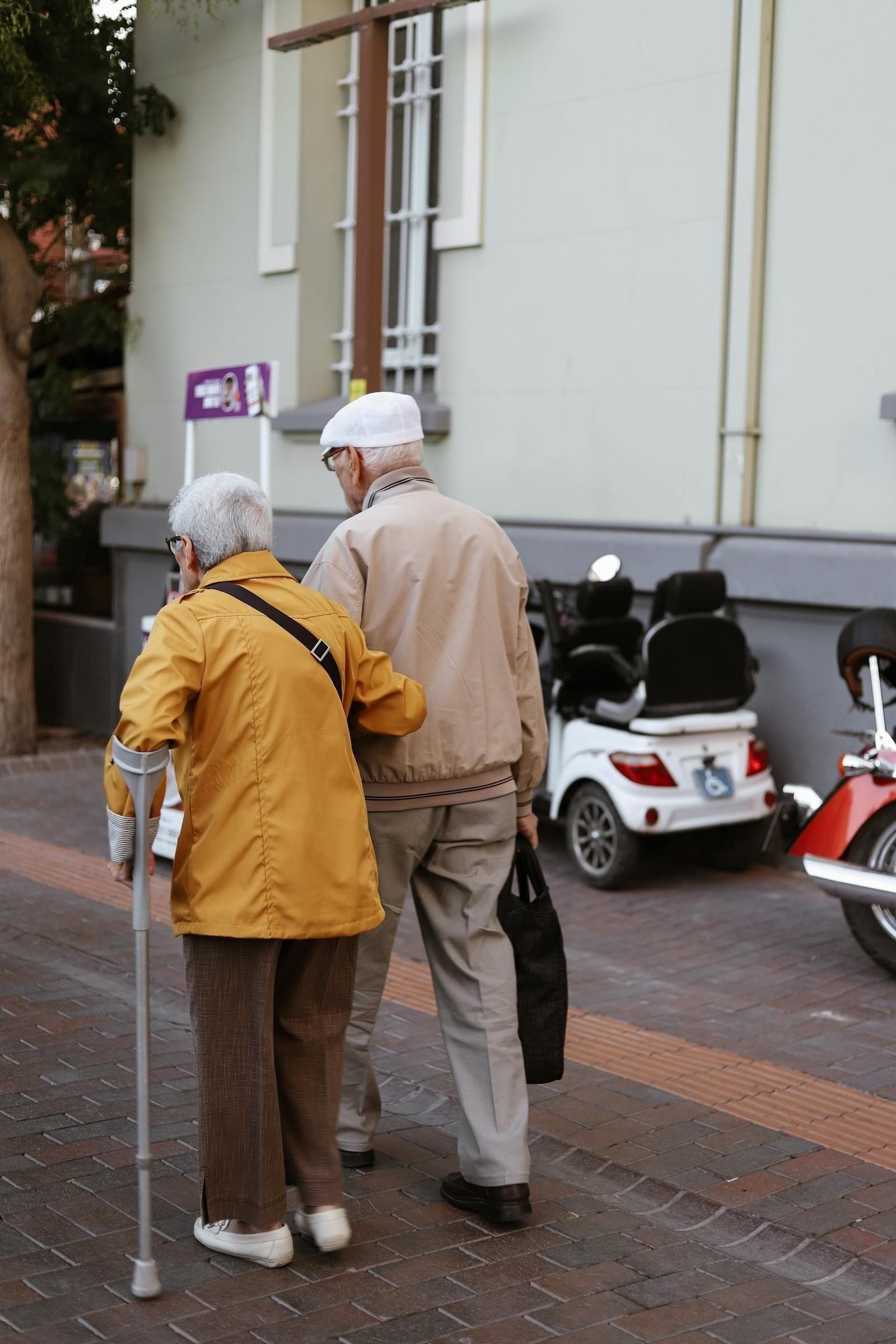
Stage 4: Severe disability, walking and standing still possible without help. Symptoms are now substantially disabling. The person can usually still stand and may still walk short distances, often with a walker or a cane, but is no longer safe living alone. Help is needed with most activities of daily living: dressing, bathing, meal preparation, getting to and from the bathroom. Medication management becomes complex — multiple drugs, multiple times a day, with the on-off cycle now a defining feature of the day. Many people in stage four also begin to experience cognitive changes, ranging from a mild slowing of thought to the early features of Parkinson's disease dementia, which is itself a form of Lewy body dementia and shares many of its features. This is the stage at which most families bring in regular home care, and the stage at which our caregivers most often meet a new client for the first time.
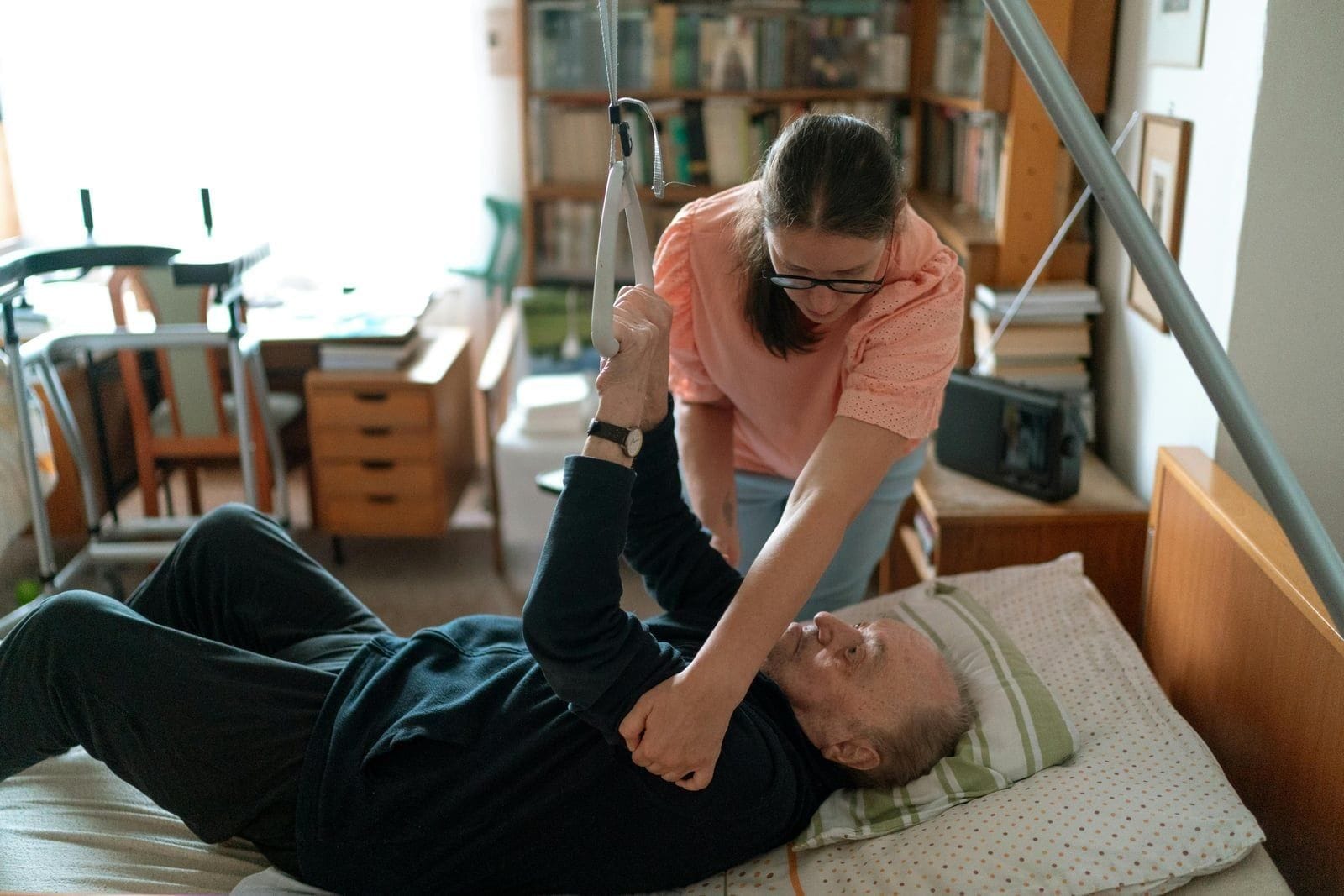
Stage 5: Wheelchair-bound or bedridden. The most advanced stage. Stiffness in the legs and trunk may make standing impossible. The person is confined to a wheelchair or to bed unless aided. Twenty-four-hour care is required for all activities. Cognitive symptoms are common in stage five — confusion, hallucinations, sometimes dementia. Swallowing problems put the person at risk of aspiration pneumonia, which is one of the most common causes of death in advanced Parkinson's. This is the stage at which hospice care often becomes the right answer, and the families who arranged for it earlier tend to describe the last weeks as quieter and more dignified than they expected.
The Two Subtypes You Should Know About
One of the most useful things a family can understand early is that not all Parkinson's progresses at the same speed, and the rate of progression is partially predictable from the way the disease begins. Clinicians describe two main subtypes. The first is the tremor-dominant form, which most often starts before the age of sixty and is announced by a rest tremor in one hand. People with this form tend to progress more slowly, sometimes very slowly. Many live for fifteen or twenty years after diagnosis with manageable symptoms and good quality of life.
The second is sometimes called the PIGD subtype, for postural instability and gait disorder. People with this form tend to be diagnosed later in life, often after sixty-five, and the disease announces itself less with tremor and more with shuffling, falls, and stiffness. Progression tends to be faster. Cognitive symptoms, including the eventual development of Parkinson's disease dementia, are more common. Both forms share the same five-stage map, but they walk it at different speeds, and knowing which form is in front of you helps the family plan with more realism.
A third reality is worth naming. The brain that has Parkinson's is often the same brain that, after the age of seventy, also has some degree of Alzheimer's pathology and some degree of vascular injury from blood vessels stiffened by years of high blood pressure. Pure-form Parkinson's, with nothing else going on, is rarer than the textbooks suggest. This is why the cognitive changes in late Parkinson's so often look like a dementia of their own. The body and the brain are not separable, and the diseases of old age tend to keep company.
Medications, and the On-Off Cycle
Levodopa, first introduced for Parkinson's in the late 1960s, is still the most effective medication in the entire field of neurology. For the first several years after diagnosis, most people respond to it so dramatically that they describe the months after starting it as feeling young again. Movement returns. Tremor recedes. Stiffness loosens. Energy comes back. This phase, sometimes called the honeymoon, lasts three to five years for many patients, sometimes longer.
After several years, however, the effect of each dose begins to shorten. Patients begin to notice that thirty minutes before the next pill is due, the symptoms come creeping back. They are "off." Twenty minutes after the pill, they are "on" again. Eventually the on-off pattern can become a defining feature of the day, with the person and the family planning meals, errands, and rest around the drug's rhythm. A second pattern can appear at this point as well — dyskinesia, the involuntary writhing or twisting movements that are themselves a side effect of long-term levodopa, often appearing at the peak of a dose. Adjusting the dose schedule becomes a constant conversation with the neurologist.
A practical detail worth knowing: levodopa is absorbed in the same part of the small intestine that absorbs dietary protein, and high protein meals can blunt the effect of a dose. The Michael J. Fox Foundation recommends taking levodopa at least thirty minutes before eating protein, or saving most of the day's protein for the last meal of the day, when a less-effective dose is less disruptive. These small scheduling habits — taken on by the person, or by a caregiver if needed — can make a meaningful difference in how well a day goes.
Falls Are the Story of the Middle Stages
Of all the symptoms that come and go in Parkinson's, none reshapes daily life like falls. The Parkinson's Foundation describes falls as one of the major causes of emergency room visits and hospitalizations for people with PD, and the foundation's own fall-prevention guidance emphasizes that the path through the middle stages of Parkinson's is, in large part, the path of preventing the falls that would otherwise end independence years earlier than necessary. Three things, in combination, drive most Parkinson's falls.
The first is freezing of gait — the sudden, terrifying feeling that the feet are glued to the floor while the rest of the body has already started to move. It happens most often at thresholds: doorways, the edge of a rug, the beginning of a staircase, the middle of a turn. The body lurches forward, the feet do not, and the person falls. Visual cues — a line of tape on the floor, a laser pointer projecting a target, even imagining a step over a small obstacle — can break a freeze and restore motion.
The second is orthostatic hypotension, a drop in blood pressure when standing that is itself a common feature of Parkinson's and is often worsened by the medications used to treat it. The result is light-headedness in the seconds after standing, which is exactly when balance is most needed. Hydration, slow transitions from sitting to standing, and (with the doctor's guidance) compression stockings or adjusted blood pressure medications all help.
The third is the simple loss of the automatic reflexes that keep most people upright when they trip. The brain that has Parkinson's cannot quite catch itself the way the brain that does not has always been able to. This is the symptom that defines the transition from stage two to stage three, and it is the one that most reliably ends solo living when it gets bad enough. Home modifications — removing throw rugs, installing grab bars in the bathroom, improving lighting along the path to the bathroom for middle-of-the-night trips, adding sturdy seating with armrests, using a shower chair — buy years of safer independence.
What Actually Helps, Beyond the Pills
The Parkinson's Foundation has been consistent for decades about one finding that surprises many newly diagnosed families: exercise is the most effective non-medication intervention in the entire disease. People who begin a regular exercise program early in Parkinson's experience a slower decline in quality of life, measurably and reproducibly, than people who do not. Aerobic exercise, resistance training, and balance work all help, and the evidence is strongest when exercise begins in the first stages rather than the last. Tai chi, dance, boxing-style classes specifically designed for people with Parkinson's, and structured physical therapy all have research behind them.
Specific kinds of therapy matter as well. A physical therapist trained in Parkinson's can teach gait strategies, freezing recovery techniques, and balance training tailored to the person's stage. An occupational therapist can suggest adaptive tools for the kitchen, the bathroom, and the bedroom — weighted utensils, button hooks, raised toilet seats, easy-grip pens. A speech-language pathologist can help with the soft voice and the swallowing difficulties that appear in the middle and late stages; LSVT LOUD is a well-validated program specifically for Parkinson's voice changes. Many families discover these therapies later than they should. The right time to ask the neurologist for the referrals is early, while there is the most to preserve.
Mood matters too. Depression is unusually common in Parkinson's and shows up earlier and more often than in many other neurodegenerative diseases — partly because the person is aware of what is changing, and partly because the brain regions that regulate mood are themselves affected by the underlying disease. Treatment of depression in Parkinson's, including therapy, exercise, and (when appropriate) medication, often has effects on movement and energy that are as meaningful as the effects on mood. Anxiety, which often follows depression, deserves the same attention. None of this is weakness. All of it is part of the disease.
Where Home Care Fits
Most Parkinson's journeys eventually outrun what one family member alone can sustainably manage, and the question becomes not whether to bring in help but when. Our team has written a dedicated Parkinson's home care service overview that maps caregiver support to each Hoehn-Yahr stage; this section is the shorter version. In the early stages — stages one and two — many families do not need much beyond their own routines and some thoughtful home modifications. In the middle stages, as daily tasks slow and the on-off medication cycle starts to organize the day, a few hours of personal care at home can take the friction out of the morning and evening routines: bathing, dressing, meal prep, the cueing and reminders that keep medications on schedule. This is the stage at which our caregivers most often become part of the family's extended ecosystem — they learn the person's habits, their stories, the rhythms of their good and bad hours, and the daily small things that make life easier.
In the later stages of Parkinson's, when freezing and falls have reshaped the geography of the home and the on-off cycle requires vigilant attention, families often need more than a few hours a day. Our specialized and complex care exists for exactly this situation — caregivers trained to support people living with Parkinson's, stroke, and other neurological conditions, with the experience to manage the freezing episodes, the careful transfers, the gait support, and the complex medication schedules that advanced PD demands. For families in Ocean County, New Jersey and our other service regions, this is one of the most common reasons clients first reach out to us; the disease has reached the stage at which the spouse or adult child can no longer safely lift, transfer, or supervise alone, and the family needs trained hands.
For families whose loved one has just come home from a hospitalization — a fall, a pneumonia, an adjustment of medications that did not go smoothly — the days and weeks after discharge are the most dangerous window in any Parkinson's year. Our hospital-to-home transition care exists specifically for this period, when a missed medication or a single fall can rapidly become a second hospitalization. The pattern we see again and again is that the families who get professional help in the first two weeks after a hospitalization often avoid the second one altogether.
The Conversations Worth Having Early
Parkinson's is, in some respects, a kinder disease to plan for than many of the others. It progresses slowly. The person is almost always able to participate in their own decisions through the early and middle stages. There is time to put paperwork in order, to talk through preferences, to consult an elder-law attorney, to set up a healthcare proxy, to settle the questions that are easier to settle now than later. The families that have these conversations in the first few years after diagnosis are almost universally glad they did. The families that put them off often describe sitting in emergency rooms making decisions they were never prepared for, on behalf of someone who can no longer help.
The conversations are the familiar ones. Who do you want making medical decisions for you if you can no longer make them yourself? How do you feel about feeding tubes, about hospitalizations in the late stages, about antibiotics for pneumonia, about hospice care when the time comes? Where do you want to live if home becomes impossible? Parkinson's adds a few of its own. How do you want us to handle dyskinesia in public? What do you want us to do if the medications start causing hallucinations? What level of cognitive change would lead you to want us to take over the finances? The earlier these questions are asked, the more they are answered in the person's own voice.
One Last Thing
Parkinson's is a long disease, and that is partly its hardness and partly its mercy. The slowness of its progression means that most people have years — often many years — of meaningful life after diagnosis. They keep their hobbies. They keep their relationships. They keep their humor. They build new routines that accommodate the disease without surrendering to it. They learn, as the Parkinson's Foundation's advanced care guidance puts it, to adapt to today rather than to fight for yesterday. The disease takes things, slowly. It does not take the person all at once, and on a great many days, especially with the right support around them, it does not take very much at all.
The grandfather who can no longer button his own shirt can still read aloud to a grandchild. The wife who can no longer dance can still listen to the same Sinatra records that she has loved for sixty years and tell you, between songs, exactly where she was the first time she heard each one. The husband whose handwriting has shrunk to nothing can still sign his name on a birthday card, slowly and deliberately, in the way that birthday cards have always been signed in his family. None of this is small. All of this is the whole point.
If your family is somewhere in this story — if the diagnosis was just given and you are reading every guide you can find, if the medications have started working their magic and you want to preserve as much of this good year as you can, if the falls have begun and the home has started to feel like an unfamiliar place, or if the late stages are pressing in and you do not yet know what hands you will need — our care team is here . We will listen first. The right plan for any year of Parkinson's is the one that fits the person who has it, the family around them, and the stage of the road they are actually on. We can walk that road with you, at whatever pace it is moving.
Photographs by Dmitriy Tarasenko, Kampus Production, and hissetmehurriyeti, licensed under the Pexels free-use license.