
Companion care for seniors who spend too much time alone
A regular visitor for conversation, outings, errands and meals, so the week has people in it again.
From our office in Cranford, serving Union County, NJ.

Company, conversation and a reason to get out
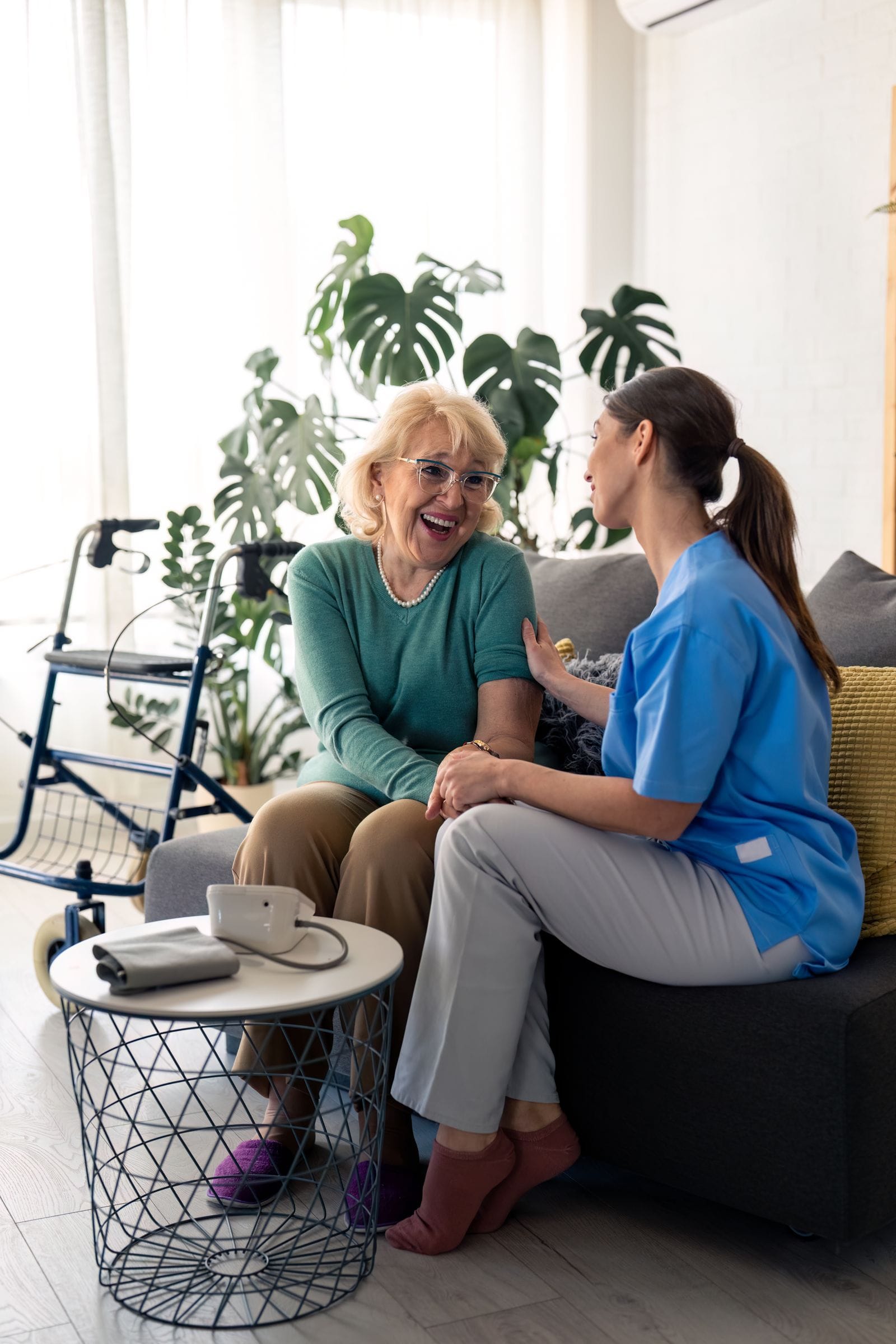
Companion care is for older adults who can still look after themselves but spend long days on their own. A companion comes on a regular schedule to talk, cook, play cards, take a walk, drive to the hairdresser or the library, and notice how things are going.
Loneliness wears people down. Someone who lives alone and rarely goes out tends to eat less, move less and lose interest in things. A familiar visitor a few times a week gives the week some shape, and gives you someone who will tell you if something seems off.
Companion care doesn't include hands-on help such as bathing or using the toilet. When that's needed, it becomes personal care, and the same caregiver can usually keep coming, so your parent doesn't have to get used to someone new.
Clubs and centers around the county, and a ride there
Union County towns run more for older adults than many families know, and a companion can get your parent there. Cranford's Thursday Club meets Thursdays from noon to 2 p.m. at the Community Center on Walnut Avenue. The Summit Seniors Club has chair yoga and a card room at the Summit Community Center. The Township of Union Senior Center on Rahway Avenue has clubs, classes and a library. The Union County Division on Aging can tell you what's closest.
Getting there is often what stops people. Union County Paratransit will take a resident 60 or over to recreation and nutrition sites for $3 a trip, but it wants several days' notice, and a lonely afternoon doesn't book a week ahead. A companion who drives, stays through lunch and brings your loved one home makes the outing happen on the day they feel like going.
An ordinary afternoon with a companion
Say your loved one's companion comes on Tuesdays and Thursdays from one to five. She arrives, asks how his morning went, and they look at what's in the fridge. Thursday is the grocery store and the post office. Tuesday is the diner where he likes the rice pudding, then home for a game of gin rummy before the news.
Before she leaves she starts dinner, reminds him to take his afternoon medications, and writes a note for the family about how he seemed. Nothing dramatic happens, and that steady company is what he looks forward to all week.
-
Conversation and company
Coffee and talk, old photographs, the crossword, the ballgame, a patient ear for the same good story.
-
Outings
A walk around the block, the library, church, the senior center, lunch out, a visit to an old friend.
-
Errands and appointments
Groceries, the pharmacy, the bank, and someone to sit with in the doctor's waiting room.
-
Meals
Cooking together or for them, and sitting down to eat together, which helps more than any reminder to eat.
-
Light help around the house
Dishes, a load of laundry, watering the plants, keeping the kitchen tidy.
-
Staying in touch
Help with a video call to the grandchildren, writing birthday cards, keeping the calendar.
Who companion care suits
It's often the right fit for someone who has recently lost a spouse, stopped driving, or moved closer to family and doesn't know anyone yet. It suits a parent whose children live far away and want someone to look in. And it suits someone in the early stage of memory loss who manages day to day but shouldn't spend whole days alone.
Companion care is also an easy first step for a parent who resists the idea of help. A companion who drives them to lunch feels very different from a caregiver. The relationship is already there if more help is needed later, for example dementia care or help after a hospital stay.
How companion care starts
-
Tell us about your loved one
What they enjoy, what they've stopped doing, what a good day used to look like. That tells us more than a list of tasks.
-
We visit
We meet your parent at home, agree on what the visits are for and write it down in a care plan.
-
We choose a companion who suits them
Temperament matters most here. If the first match isn't right, we change it quickly.
-
Visits on a steady schedule
The same companion on the same days, with notes after visits and a call from us if anything changes.
Why families trust us to send a companion
-
The same companion each visit
A friendship needs the same face, so we aim to send the same person every time. We treat our caregivers like family, and they stay with us, which makes that possible.
-
Our own employees
Every companion is employed by us, background-checked, bonded and insured.
-
Room to grow
If your parent later needs personal care, the same caregiver can usually take it on.
-
No long-term contract
Add visits, drop visits or stop altogether when your needs change.
What families are saying
As the daughter of an Always Responsive Home Care client, I'm grateful for the compassionate caregivers who helped my mom maintain her independence and dignity at home. Their attentiveness to her needs and warm rapport made a world of difference.
Questions about companion care
Still have a question? Call or text us. Someone is here to talk, any time of day.
(908) 691-3660 What is companion care for seniors?
Companion care is non-medical help at home focused on companionship and everyday life. A companion visits on a regular schedule to talk, share meals, go on walks and outings, run errands, drive to appointments, help with light housework and keep an eye on how an older adult is doing. It's for people who manage their own personal care but are lonely or shouldn't spend long days alone.
What does a companion do?
A companion keeps an older adult company and helps with the small things that fill a day: conversation, cards and hobbies, cooking and eating together, walks, rides to appointments and errands, light housework, medication reminders and help keeping in touch with family. They also notice changes, such as weight loss or new confusion, and let the family know.
What is the difference between companion care and personal care?
Companion care is companionship and help with daily life: conversation, outings, errands, meals and light housework. Personal care adds hands-on help with the body, such as bathing, dressing, using the toilet and moving from bed to chair. Many people start with companion care and add personal care later, often with the same caregiver.
How often do companion visits happen?
Companion visits can happen as often as you like, from one afternoon a week to a few hours every day. Visits on the same days and times work best, because they give your parent something to look forward to and let the friendship build. The schedule can change whenever your needs do.
Does Medicare pay for companion care?
No. Original Medicare doesn't pay for companion care or other non-medical help at home when that's the only care someone needs. Some Medicare Advantage plans offer limited in-home support, so check your plan. Always Responsive Home Care is private pay: you pay us directly, and if your loved one's long-term care policy covers companion care, we file the claims so it reimburses you.
Can a companion help a parent who doesn't want help?
Often, yes. A companion who drives your parent to lunch or sits down for a game of cards doesn't feel like a caregiver, which makes it easier to say yes. It helps to start with something your parent enjoys and to describe the visits that way. Once there's a friendship, adding more help later is usually much easier.
What is there for older adults to do in Union County?
More than many families expect. Many towns run senior clubs and centers: Cranford's Thursday Club meets at the Community Center on Walnut Avenue, the Summit Seniors Club meets at the Summit Community Center, and the Township of Union has a Senior Center on Rahway Avenue. The Union County Division on Aging, (908) 527-4870, knows what's closest to your parent. A companion can drive your parent there, stay and bring them home.
Let's talk about care for your family
Send the form and our Union County team will call you back to talk about your loved one and set up a free in-home assessment. There's no cost and no obligation.
By submitting this form, you agree to our Privacy Policy and Terms of Service.