The Diverticulitis Diet Isn't One Diet
The diverticulitis diet changes as you heal, from clear liquids in a flare to high fiber for prevention. What to eat in each phase, plus the popcorn myth.
Search for a diverticulitis diet and within five minutes you will find advice that flatly contradicts itself. One page says to avoid fiber. The next insists fiber is the whole point. One warns you off nuts and popcorn for life; another says eat them freely. It is enough to make anyone throw up their hands and give up on food altogether. The confusion is real, but the sources are not actually wrong. They are describing different moments in the same illness, and nobody told you that the right way to eat changes depending on which moment you are in.
Diverticulitis is unusual that way. For most conditions there is one diet you settle into and stick with. Here there are effectively three, and they move in sequence as you heal: what you eat in the thick of a flare, what you eat as you recover, and what you eat during the long stretches of feeling fine when the goal is simply to keep the next flare away. Get the phases straight and the contradictions dissolve. This guide walks through all three, plus the one myth that refuses to die.
Diverticulosis, Diverticulitis, and Why Age Matters
A quick bit of grounding makes the rest easier. Over the years, small pouches called diverticula can form in weak spots along the wall of the colon. Simply having them is diverticulosis, and it is remarkably common with age: by 60, more than half of adults have these pouches, and most never know it because they cause no trouble at all. Diverticulitis is what happens when one or more of those pouches becomes inflamed or infected, bringing on the classic picture of pain (usually in the lower left of the belly), often with fever, nausea, and a change in bowel habits.
Because the pouches themselves are so tied to aging, diverticulitis lands heavily on older adults, and the dietary choreography around it becomes part of everyday life for a lot of families. The good news is that diet is one of the few levers you genuinely control, both in calming a flare faster and in making flares rarer. It just has to be the right diet for the moment.
Phase One: Eating During a Flare
When a flare hits, the instinct to load up on healthy vegetables is exactly wrong. An inflamed colon needs rest, not roughage. So the first phase runs opposite to everything you have heard about eating well: you go low, then rebuild.
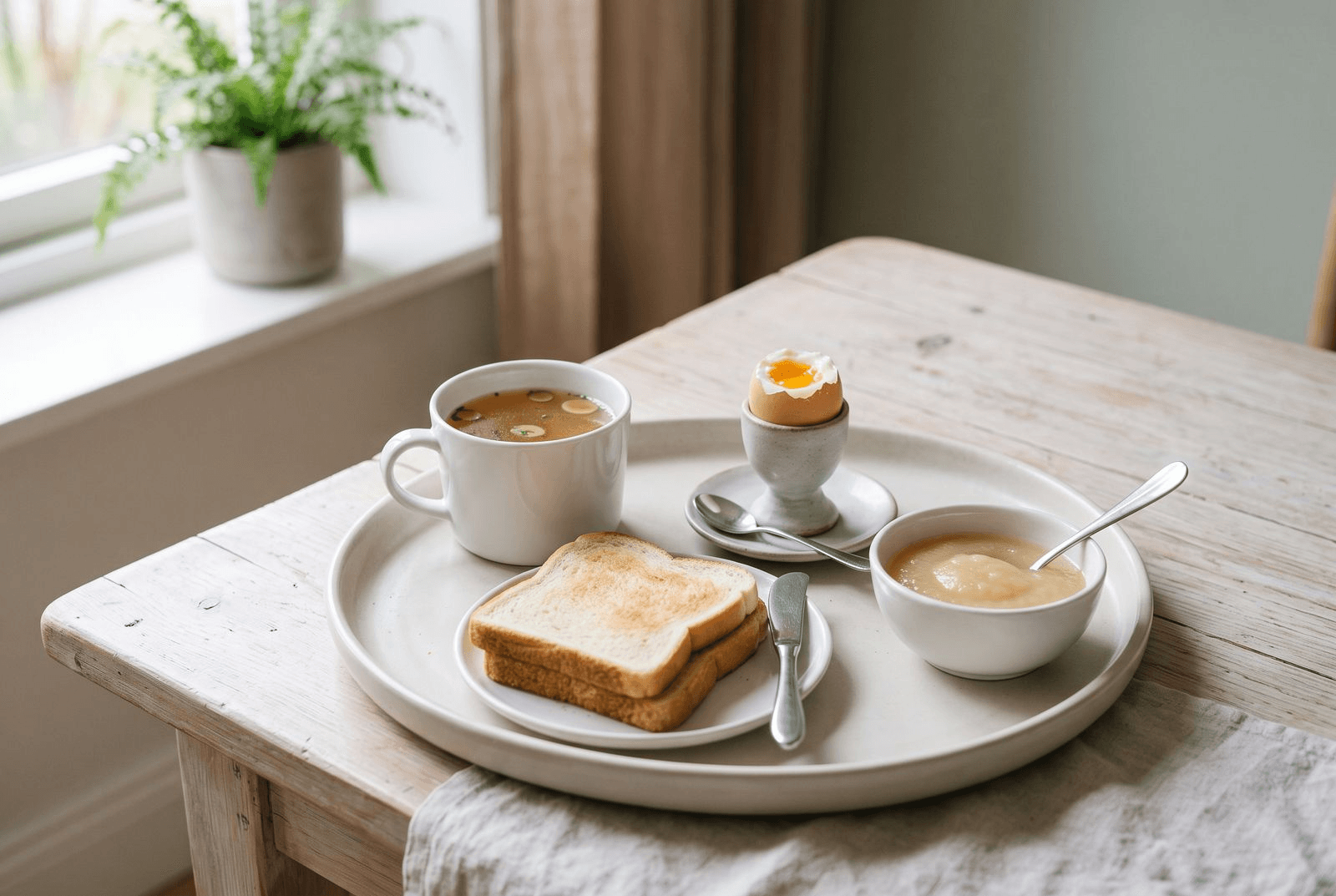
At the sharp end of a flare, doctors commonly recommend a clear liquid diet for a couple of days to let the bowel settle. A diverticulitis clear liquid diet keeps strictly to fluids and foods you can see through, deliberately minimal so an inflamed colon has nothing to work on:
- Water and clear broth: plain water, and clear chicken, beef, or vegetable broth with no solids.
- Strained juices without pulp: apple, white grape, or cranberry juice, strained clear.
- Plain gelatin and ice pops: flavored gelatin and fruit-flavored ice pops without fruit pieces, pulp, or dairy.
- Tea or coffee without milk: plus clear sports drinks to help keep electrolytes up.
Because it is so minimal, a clear liquid diet is meant for only a few days, especially for older adults who can slip into dehydration or poor nutrition quickly. This phase is best done with a doctor guiding it rather than alone.
As the pain eases, you step up to low-fiber foods, sometimes called a low-residue diet, which are gentle and easy to digest:
- Refined grains: white bread, white rice, plain crackers, and refined pasta rather than their whole-grain versions.
- Tender proteins: eggs, and well-cooked chicken, fish, or other tender meats.
- Soft, skinless produce: canned or thoroughly cooked vegetables without skins or seeds, ripe bananas, applesauce, and canned fruit in juice.
- Dairy, if it agrees with you: milk, yogurt, and mild cheese in modest amounts.
The whole point of Phase One is to eat quietly while the colon heals. It is a temporary shelter, not a destination, and the mistake many people make is settling into it and never climbing back out.
Phase Two: Easing Fiber Back In
Once the flare has clearly passed and you feel like yourself again, the job is to walk back toward normal eating, and the pace matters. Jumping straight from white toast to a bowl of bean chili can leave the gut gassy and cramping, which feels alarming so soon after a flare and sends people retreating to low-fiber foods for far longer than they need to.
Instead, add fiber back over a week or two, one small step at a time. Swap white rice for brown at one meal a day. Move from applesauce to a soft, peeled apple, then an unpeeled one. Add a spoonful of beans to a soup before you add a whole cup. Each addition gives your system a few days to adjust before the next. If a particular food reliably brings on discomfort, ease off and try again later; recovery is not a race. Drinking more water through this stretch keeps the extra fiber moving comfortably rather than backing up, a theme we will come back to.
Phase Three: Eating to Prevent the Next Flare
This is the phase you spend the vast majority of your life in, and here the diet flips completely. Between flares, the aim is a genuinely high-fiber diet, because fiber keeps stool soft and moving, which lowers pressure inside the colon and is linked in research to fewer diverticulitis attacks. The target for most adults is roughly 25 to 38 grams of fiber a day, and the honest truth is that most older adults get about half that.
Fiber is best gathered from a spread of whole foods rather than a single source:
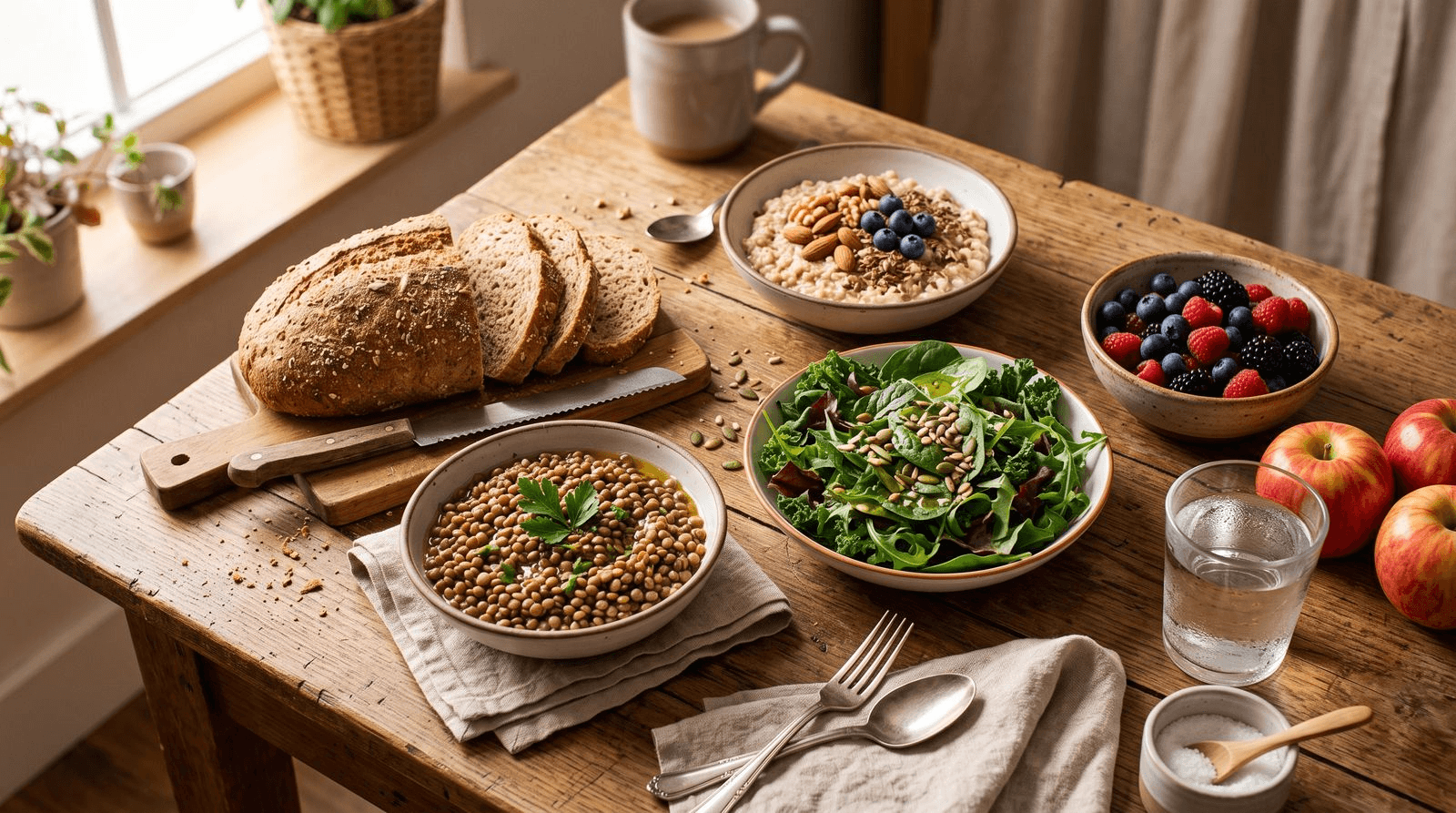
- Whole grains: whole-wheat bread and pasta, brown rice, oats, barley, and bran cereals in place of refined versions.
- Fruits and vegetables: a wide mix, skins on where comfortable, since much of the fiber lives in the skin.
- Legumes: beans, lentils, and split peas, which are among the richest fiber sources going.
- Nuts and seeds: yes, genuinely (more on that next).
Alongside fiber, the habits that lower risk are the familiar ones: staying well hydrated, keeping physically active, holding a healthy weight, and going easy on red and processed meats, which studies tie to more frequent flares. Regular, comfortable bowel habits are part of the same picture, and if constipation is a recurring struggle, our guide to constipation in older adults covers the gentle, non-drastic fixes that also happen to serve the colon well here.
The Nuts, Seeds, and Popcorn Myth
For generations, anyone with diverticular disease was handed the same warning: never eat nuts, seeds, corn, or popcorn, because the little fragments could get trapped in a pouch and spark an attack. It sounded plausible, it was repeated everywhere, and it was wrong.
When researchers finally put it to the test in a large study following tens of thousands of men over nearly two decades, they found no link between eating nuts, corn, or popcorn and developing diverticulitis. If anything, the men who ate the most nuts and popcorn had a lower risk. On the strength of that and similar findings, major medical organizations dropped the restriction, and today nuts and seeds are recommended as part of the high-fiber eating that helps prevent flares in the first place. The only caveat is the familiar one: during an acute flare you set them aside along with all other high-fiber foods, then welcome them back once you are well. If you have carried the old rule for years, this is the part worth un-learning.
Building Fiber Without the Bloat
The reason so many people abandon a high-fiber diet is not that they dislike the food; it is that they add it all at once and spend a miserable week bloated and gassy, then conclude fiber does not agree with them. It almost always does. The trick is simply the how.
- Go slow. Add a few grams of fiber every few days rather than overhauling every meal at once, giving your gut time to adapt.
- Drink more as you eat more. Fiber works by holding water; without enough fluid it can constipate rather than relieve. More fiber always means more water.
- Spread it across the day. A little fiber at each meal is gentler and more effective than a single enormous salad at dinner.
- Lean on legumes and oats. They deliver a lot of fiber for the volume and are easy to fold into soups, stews, and breakfasts.
Done this way, the discomfort that makes people quit largely never shows up, and the diet becomes something you can actually keep for years rather than days.

When Food Isn't the Whole Answer
Diet manages diverticulitis; it does not, by itself, treat a serious attack. Most flares are mild and settle with rest, fluids, and sometimes antibiotics, but a share of them turn into something that needs prompt care, and food changes are not the response to those. Treat the following as reasons to call a doctor rather than adjust a menu:
- Severe or steadily worsening abdominal pain, rather than the dull ache of a mild flare.
- A fever that climbs, or shaking chills.
- Persistent vomiting, or being unable to keep fluids down.
- Rectal bleeding or blood in the stool.
- No improvement after a couple of days of rest and clear liquids at home.
These can point to complications such as an abscess or a blockage that need medical treatment, sometimes urgently. The dietary phases in this guide are for managing ordinary diverticulitis and staying well between flares, always alongside the advice of the doctor who knows the particular case. Everyone's tolerance differs, and a physician or dietitian can tailor the specifics.
Making the Everyday Version Doable
On paper, three phases and a fiber target look simple. In a real kitchen, especially for an older adult managing this alone, it is a lot of small logistics: keeping clear-liquid and low-fiber staples on hand for the start of a flare, then having whole grains, produce, and legumes stocked and actually cooked for the long prevention stretch. The prevention diet, in particular, asks for more fresh cooking than a cupboard of white bread and canned soup, and that is precisely where good intentions quietly fall apart.
This is the sort of ordinary, repeated help that steady support at home is built for. A caregiver providing homemaker services can shop for the high-fiber foods that make prevention realistic, cook meals that match the phase a person is in, and keep water within easy reach so fiber has what it needs to work. Paired with the hands-on daily help of personal care, it turns a plan on paper into meals that actually land on the table. Families across our Mercer County, New Jersey service area lean on exactly that kind of practical, day-to-day help so that eating well does not depend on having the energy to cook from scratch every day. For the broader picture of feeding an older adult well, our guide to elderly nutrition pairs naturally with the fiber goals here.
One Diet, Three Chapters
The reason a diverticulitis diet feels so contradictory is that it is really three diets wearing one name, each right for its own chapter of the illness. Clear liquids and gentle low-fiber foods carry you through a flare. A patient, gradual ramp brings you back to normal. And a full, varied, high-fiber way of eating, nuts and popcorn included, is what quietly keeps the next flare at bay through the long healthy stretches in between. Hold those chapters apart in your mind and the noise online stops mattering. You are not looking for the one true food list. You are just answering a simpler question, meal by meal: which chapter am I in today?
This article is for general education and is not medical advice. Diverticulitis varies from person to person and can become serious. Talk with a doctor or registered dietitian about your own diet, and seek prompt care for severe pain, high fever, persistent vomiting, or rectal bleeding.
Sources: National Institute of Diabetes and Digestive and Kidney Diseases — Eating, Diet, and Nutrition for Diverticular Disease; Mayo Clinic — Diverticulitis Diet; Harvard Health Publishing — Diverticular Disease of the Colon.
Frequently Asked Questions
What foods should you avoid with diverticulitis?
It depends entirely on whether you are having a flare or are well between flares. During an acute flare, you temporarily avoid all high-fiber foods to rest the bowel, which means no whole grains, raw vegetables, fruit with skins, beans, or nuts until symptoms ease. Once you have recovered, the picture flips: the foods worth limiting for prevention are the ones tied to a higher risk of attacks in research, chiefly red meat and highly processed, low-fiber fare, while the fiber-rich foods you avoided during the flare become the ones you want more of. In other words, there is no permanent banned-foods list for diverticulitis; there is a flare list and a prevention list, and they are nearly opposites. The single biggest change in recent guidance is that nuts, seeds, and popcorn are no longer on any long-term avoid list.
Can you eat nuts, seeds, and popcorn with diverticulitis?
Yes, once you are past a flare. For decades people with diverticular disease were told to avoid nuts, seeds, corn, and popcorn on the theory that small particles could lodge in the colon pouches and trigger inflammation. Large, long-running studies have since found the opposite: men who ate the most nuts and popcorn actually had a lower risk of diverticulitis, not a higher one. Major medical bodies have accordingly dropped the restriction. During an acute flare you will still skip them along with all other high-fiber foods while the bowel rests, but that is a short-term measure tied to the flare, not a lifelong rule. Between flares, nuts and seeds are a genuinely good source of the fiber that helps keep diverticulitis away.
What can I eat during a diverticulitis flare-up?
At the start of a flare, doctors often recommend a clear liquid diet for two or three days to give the colon a rest: water, broth, clear juices without pulp, plain gelatin, ice pops, and tea or coffee without milk. As the pain and other symptoms improve, you step up to low-fiber, easy-to-digest foods, sometimes called a low-residue diet. Good choices are white bread and white rice, refined pasta, eggs, tender cooked chicken or fish, canned or well-cooked vegetables without skins or seeds, ripe bananas, applesauce, and dairy if it agrees with you. The idea is to eat gently while healing, then rebuild fiber slowly once you feel normal again. A clear liquid diet is meant for only a few days, so it should be done with a doctor's guidance, especially for older adults who can become dehydrated or run low on nutrition quickly.
How long should you stay on a clear liquid diet with diverticulitis?
For most mild flares a clear liquid diet is a short-term step, usually only about two to three days, just long enough to rest the colon at the sharp end of a flare. As the pain and other symptoms start to ease, you step up to gentle low-fiber foods rather than staying on liquids, because a clear liquid diet does not supply enough calories or nutrition to sustain anyone for long, and older adults in particular can become dehydrated or undernourished on it quickly. If symptoms have not begun to improve after two or three days of rest and clear liquids at home, that is a reason to call a doctor rather than stretch the liquids out further. Because it is so restrictive, the clear liquid phase is best done under a doctor's guidance rather than on your own.
What can you drink on a clear liquid diet for diverticulitis?
A clear liquid diet is limited to fluids and foods you can see through, which are easy on an inflamed colon: plain water, clear broths, and strained fruit juices without pulp such as apple or white grape juice. Plain or flavored gelatin, fruit-flavored ice pops without any fruit pieces, and tea or coffee without milk or cream are also allowed, along with clear sports drinks to help keep electrolytes up. The point is to avoid anything containing fiber, pulp, dairy, or solid particles while the bowel rests. Because it is so limited, it is meant for only a couple of days at the start of a flare before stepping up to gentle low-fiber foods, and it works best with a doctor's guidance.
How much fiber should you eat to prevent diverticulitis?
General guidance for adults is roughly 25 grams of fiber a day for women and up to about 38 grams for men, and getting close to that range is one of the best-supported ways to lower the risk of diverticulitis flares. Most older adults fall well short, often eating only half that amount. The fiber should come mainly from whole foods, meaning whole grains, fruits and vegetables, and legumes such as beans and lentils, rather than from a single supplement, though a fiber supplement can help fill a gap. The important caveat is to build up gradually over a couple of weeks and drink more water as you go, because adding a lot of fiber quickly is what causes the gas and bloating that make people give up on it.
How long does a diverticulitis flare last, and when can I eat normally again?
A mild, uncomplicated flare treated at home often begins to settle within two to four days, and many people are back to their normal diet within a week or two as they step from clear liquids, to low-fiber foods, to their usual fiber-rich eating. More severe cases, or ones that need antibiotics or hospital care, take longer and follow the timeline a doctor sets. The key is not to rush back to a high-fiber diet the moment you feel better; reintroduce fiber over several days so the gut is not overwhelmed. If pain worsens, fever climbs, you cannot keep fluids down, or you notice rectal bleeding, do not wait it out, as these can signal a complication that needs prompt medical care.