What Are ADLs and IADLs? The Senior Care-Needs Guide
ADLs and IADLs are the daily tasks used to measure whether a senior can live independently. See the full list of each and how families assess care needs.
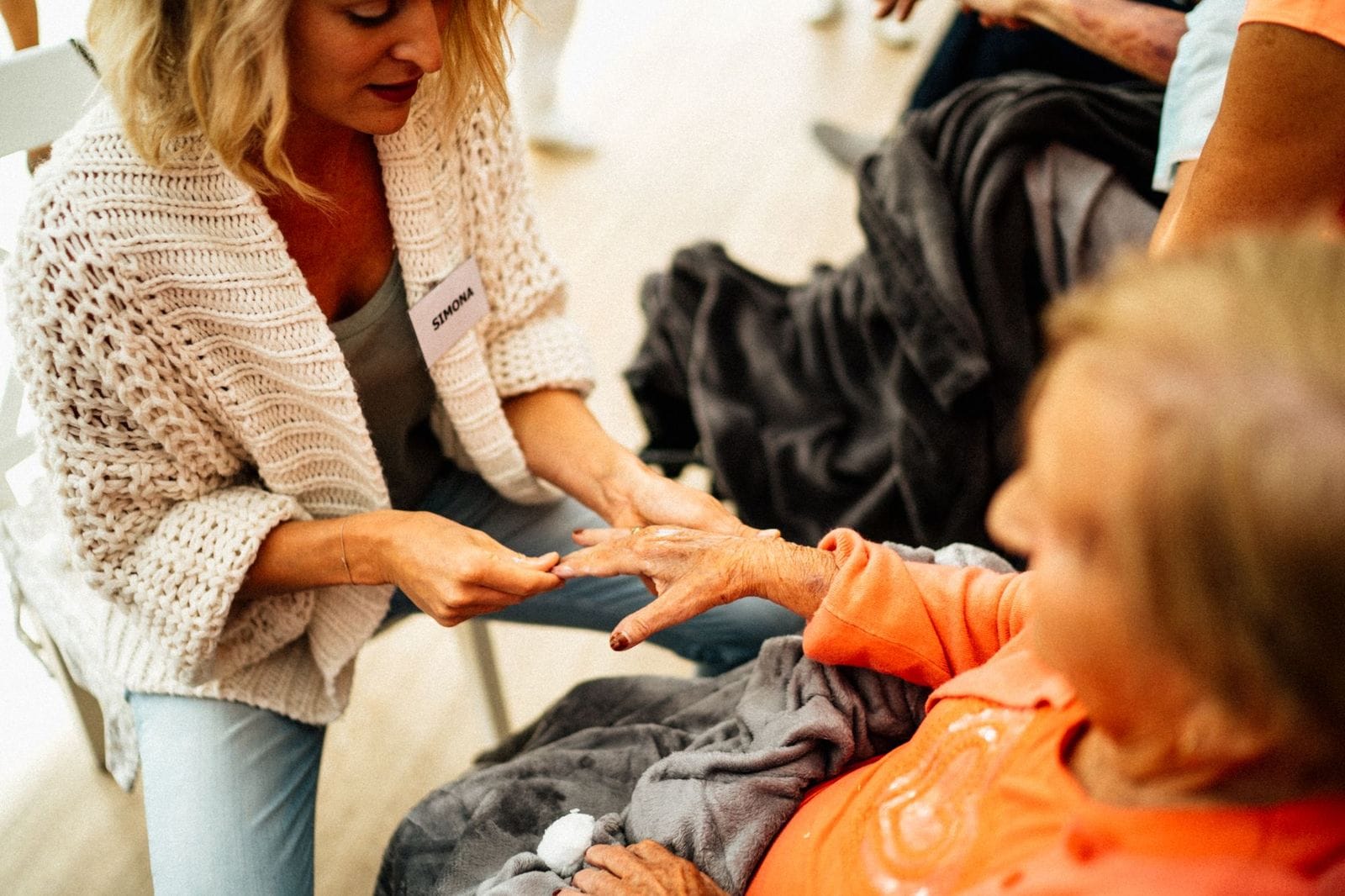
ADLs and IADLs are the two checklists professionals use to measure whether an older adult can still live independently. ADLs, or activities of daily living, are the basic self-care tasks a person handles every day, such as bathing, dressing, and eating. IADLs, or instrumental activities of daily living, are the more complex tasks of running a household, such as cooking, managing money, and taking medications. The two together draw a surprisingly accurate map of how much help someone needs.
Families almost never hear these terms until a hospital discharge planner, a doctor, or a home care coordinator uses them in a sentence. They sound clinical, but the idea behind them is plain: there are tasks you have to do to take care of your body, and there are tasks you have to do to run your life. When the first kind starts to slip, safety is at stake. When the second kind starts to slip, independence is at stake, and it is usually the earlier warning sign.
What Are ADLs (Activities of Daily Living)?
Activities of daily living are the fundamental self-care tasks almost everyone learns as a child and does without thinking. The geriatrician Sidney Katz defined them in the 1950s while studying how patients recover after a stroke or hip fracture, and his six-item list, the Katz Index, is still the standard today. The six basic ADLs are:
- Bathing — washing in the tub or shower, including getting in and out safely.
- Dressing — choosing appropriate clothes and putting them on, including fasteners and shoes.
- Toileting — getting to and from the toilet, using it, and cleaning up afterward.
- Transferring — moving in and out of a bed or chair without falling.
- Continence — controlling the bladder and bowels.
- Eating — getting food from a plate to the mouth (not cooking it, which is an IADL).
When someone needs help with an ADL, it can range from a simple reminder or stand-by assist all the way to full hands-on help. Difficulty with bathing is often the first ADL to go, and a recent fall during a transfer is one of the clearest signals that daily, hands-on support has become a safety issue rather than a convenience.
What Are IADLs (Instrumental Activities of Daily Living)?
Instrumental activities of daily living are the more complex skills a person needs to live independently in their own home and community. The psychologist M.P. Lawton defined them about a decade after Katz, reasoning that staying independent takes more than self-care. The eight IADLs on the Lawton scale are:
- Using the telephone — looking up numbers, dialing, answering, and keeping in touch.
- Shopping — buying groceries and necessities independently.
- Preparing meals — planning, cooking, and serving balanced food safely.
- Housekeeping — keeping the home reasonably clean and orderly.
- Doing laundry — washing and caring for clothing and linens.
- Arranging transportation — driving or organizing rides to appointments and errands.
- Managing medications — obtaining the right medicines and taking them on schedule.
- Handling finances — paying bills on time and managing money.
Because IADLs lean heavily on memory, planning, and judgment, they tend to falter before ADLs do, especially in the early stages of dementia. Unopened mail, missed bills, expired food in the refrigerator, or a fender-bender that no one can quite explain are classic first signs that the IADLs are getting harder than the family realizes. When the IADLs are the main gap, the non-medical help that covers them — housekeeping, laundry, meals, shopping, and errands — is called homemaker services.
ADLs vs IADLs: The Difference at a Glance
The fastest way to keep the two straight is to ask whether a task is about caring for your body or about running your life.
ADLs | IADLs | |
|---|---|---|
What they cover | Basic self-care of the body | Running a household and life |
Examples | Bathing, dressing, toileting, transferring, continence, eating | Cooking, cleaning, shopping, transportation, medications, finances |
Standard scale | Katz Index (6 items) | Lawton scale (8 items) |
Skills required | Physical ability and mobility | Memory, planning, and judgment |
Usually slips | Later — a safety signal | Earlier — an independence signal |
Type of help | Personal care | Companion and homemaker care |
How Families Use ADLs and IADLs to Measure Independence
These two lists are not just vocabulary. Discharge planners, doctors, geriatric care managers, and home care coordinators score them to answer a practical question: how much help does this person actually need to be safe at home? The Katz Index gives one point for each ADL a person can do alone, so a score of six means full independence and a lower score points to the exact tasks where hands-on help is needed. The Lawton scale does the same for the eight IADLs.
For a family, the value is in turning a vague worry ("Mom seems to be slipping") into a specific, fixable list. Walk through both sets out loud. If your father can still dress and bathe himself but the bills are piling up and he has stopped cooking real meals, that is an IADL problem, and a few hours of help a week may be enough. If your mother is having trouble getting out of the bath safely or has had a fall, that is an ADL problem, and it usually calls for daily, hands-on support. The number and type of failing tasks is what tells you how many hours of care to plan for, and whether staying home is realistic.
Matching ADLs and IADLs to the Right Home Care
Non-medical home care is built around exactly this split, which is why understanding ADLs and IADLs makes choosing a service so much easier:
- For ADLs, personal care provides hands-on help with bathing, dressing, toileting, grooming, and safe transfers and mobility.
- For IADLs, companion care and homemaking support cover meal preparation, light housekeeping, errands, transportation, and friendly company, the tasks that keep a household running.
- When the failing tasks span both lists and add up to many hours, hourly care or live-in care scales the same support up to around-the-clock coverage, and respite care gives a family caregiver a planned break.
One important boundary: assistance with ADLs and IADLs is non-medical support, not skilled medical care. A caregiver helps with bathing, reminds about medications from a pre-filled organizer, prepares meals, and drives to appointments. Tasks like wound care, injections, or therapy are skilled services that a Medicare-certified home health agency provides, and a good home care coordinator will tell you when a need crosses that line. If you are still weighing where care should happen at all, our guide to home care vs assisted living and the home care cost guide pick up where this checklist leaves off.
Run the two lists with your parent before the next doctor's visit or hospital discharge. Knowing which ADLs and IADLs have become hard, and which are still easy, is the single most useful thing you can bring to the conversation, and it is the starting point for any honest plan to keep someone safe and independent at home.
Frequently Asked Questions
What are ADLs and IADLs?
ADLs (activities of daily living) are the basic self-care tasks a person does every day, such as bathing, dressing, and eating. IADLs (instrumental activities of daily living) are the more complex tasks needed to live independently, like cooking, managing money, and handling medications. Together they measure how much help someone needs.
What are the 6 ADLs?
The six basic ADLs measured by the Katz Index are bathing, dressing, toileting, transferring (moving in and out of a bed or chair), continence, and eating. Each is scored as independent or needing help, giving families and clinicians a quick picture of how a senior is managing day to day.
What is the difference between ADLs and IADLs?
ADLs are basic survival and self-care tasks like bathing, dressing, and eating. IADLs are higher-level tasks that let someone live on their own, such as cooking, cleaning, shopping, managing finances, and taking medications correctly. IADLs require more thinking, so they tend to slip first when memory or judgment declines.
What are examples of IADLs?
The eight IADLs on the Lawton scale are using the telephone, shopping, preparing meals, housekeeping, doing laundry, arranging transportation, managing medications, and handling finances. Trouble with any of these, like missed bills or expired food in the fridge, is often the first sign a senior could use some in-home support.
What are ADLs and IADLs used to assess?
Healthcare providers, discharge planners, and families use ADL and IADL checklists to measure functional ability, how well a person can care for themselves at home. The results help decide how many hours of help are needed, whether home care or a higher level of care fits, and how needs change over time.
What kind of home care helps with ADLs and IADLs?
Non-medical home care covers both. Personal care assists with ADLs like bathing, dressing, and mobility, while companion and homemaker care handle IADLs such as meal preparation, errands, transportation, and light housekeeping. It is private-pay support for daily living, separate from the skilled medical care a home health agency provides.