Shingles Is Tougher on Older Adults. Here's What Helps.
Shingles is more common and serious after 50. The early warning signs, why the first 72 hours matter, the real risks, and how to prevent it.
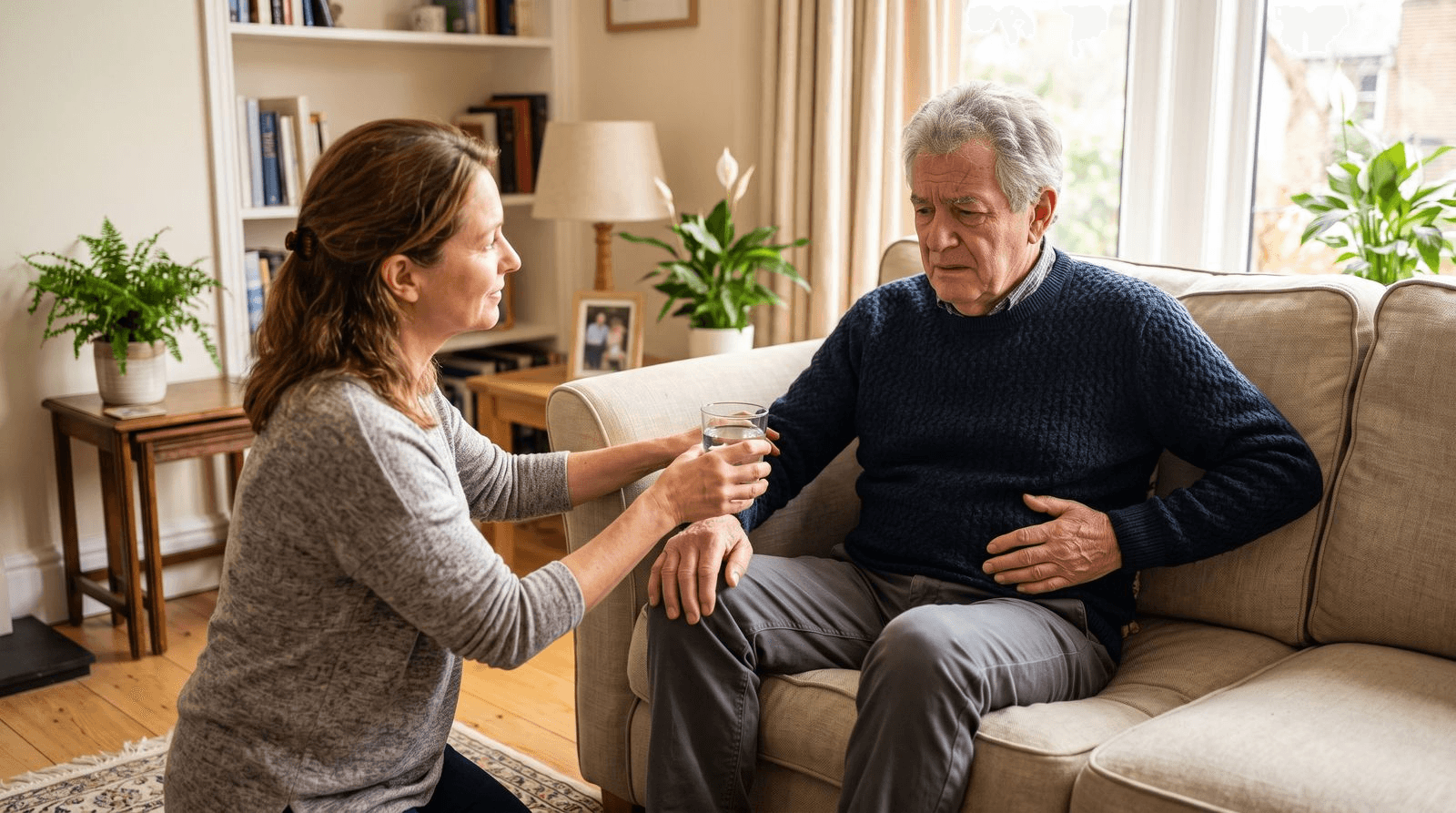
It rarely starts looking like anything. For most people, shingles announces itself a few days before there is anything to see, as a strange burning, itching, or tingling in one specific place on one side of the body. A stripe across the ribs. A patch on the lower back. One side of the forehead. The skin looks perfectly normal, so the ache gets blamed on a pulled muscle, a slept-on shoulder, even a heart scare. Then, a day or two later, a red rash rises in exactly that band and blisters over, and the puzzle solves itself.
For an older adult, those quiet early days are the ones that matter most. This is a guide to what shingles actually is, why it treats older bodies more roughly than younger ones, how to catch it in the narrow window when treatment works best, and how a two-dose vaccine has taken most of the danger off the table for anyone willing to roll up a sleeve.
A Rash With a Long Fuse
Shingles is chickenpox, returning decades late. When a person recovers from chickenpox in childhood, the virus that caused it does not leave the body. It retreats into nerve tissue and goes dormant, sometimes for fifty or sixty years. Then, often for no clear reason, it reactivates, travels back down a single nerve, and erupts as the painful, blistering rash we call shingles, known to doctors as herpes zoster.
Because the virus follows one nerve, the rash almost always appears on just one side, in a single band, and stops abruptly at the midline of the body. Nearly everyone over 50 is carrying the dormant virus, whether or not they remember having chickenpox, which is why shingles is so common. About one in three people in the United States will develop it at some point in their lives.
Why It Waits for Older Age to Strike
Shingles is not evenly distributed across a lifetime. It waits. The immune system keeps the dormant virus in check, and as that surveillance weakens with age, the odds of reactivation climb. The risk rises steadily after 50 and keeps climbing; by age 85, roughly half of adults will have had shingles at least once. Anything that further taxes the immune system, from certain illnesses to the medications that suppress it, can raise the risk earlier.
Age does not just make shingles more likely. It makes it worse. Older adults tend to have more intense pain, slower healing, and a far higher chance of the complications that turn a two-week rash into a months-long ordeal. That is the real reason a shingles outbreak in a 78-year-old deserves more urgency than the same rash in a 30-year-old.
The Days Before the Blisters
The most useful thing a family can know about shingles is that the pain often comes first. According to the CDC, the burning, itching, or tingling can begin several days before the rash appears, sometimes alongside a low fever, a headache, or a general sense of feeling unwell. It is a warning shot, and it is easy to miss.
Watch for pain that is new, one-sided, and confined to a band or patch rather than spread all over. If an older parent complains of a sharp or burning ache along one side of the torso or across one side of the face, and there is no obvious injury behind it, shingles belongs on the list of possibilities. Taking that hunch seriously, rather than waiting to see whether a rash shows up, is what makes the next step possible.
Why the First 72 Hours Decide So Much
Shingles has a treatment clock, and it is short. Antiviral medications, the ones with names like acyclovir, valacyclovir, and famciclovir, work by slowing the virus while it is actively multiplying, which happens in the earliest days of the outbreak. They do the most good when started within 72 hours of the rash appearing, easing the severity and helping the attack pass sooner. Older adults, who carry the highest risk of lingering pain, have the most to gain from a fast start.
In practice, that turns a suspected case into a same-day decision. A new one-sided rash, or the tingling band that precedes it, is a reason to call the doctor now rather than book the next open weekday slot or wait it out over a weekend. If more than three days have passed, treatment can still be worth it, especially when new blisters are forming or the rash is anywhere near an eye, so the call is always worth making.
When the Pain Outlasts the Rash
The rash is not usually the part that does lasting damage. The complication families should understand is postherpetic neuralgia, a nerve pain that stays behind after the skin has healed. It happens when the outbreak leaves the affected nerves irritated and misfiring, so the area keeps sending pain signals long after there is anything to see. The CDC estimates that 10 to 18 percent of people with shingles develop it, and the risk rises sharply with age. It is rare before 40 and increasingly common past 60, where the pain can also be deeper and last longer, sometimes for a year or more.
One other complication earns its own alarm. When shingles appears on the forehead, around an eye, or on the tip of the nose, the virus may be affecting the eye itself, and that can threaten vision permanently. Shingles anywhere near the eye is a same-day emergency that needs a doctor or an eye specialist, not a wait-and-see. For most people the rash simply heals, but knowing which signs demand speed is part of caring for an older adult safely.
Steady Help While It Heals
A bout of shingles can flatten an older adult for weeks. The pain interrupts sleep, the fatigue steals appetite, and dressing or bathing around a tender rash becomes its own small trial. Most of the recovery happens at home, which is where day-to-day help makes the biggest difference. The medical side belongs to the doctor, but the comfort side, keeping the person fed, rested, clean, and on schedule, is where families and caregivers do their work.
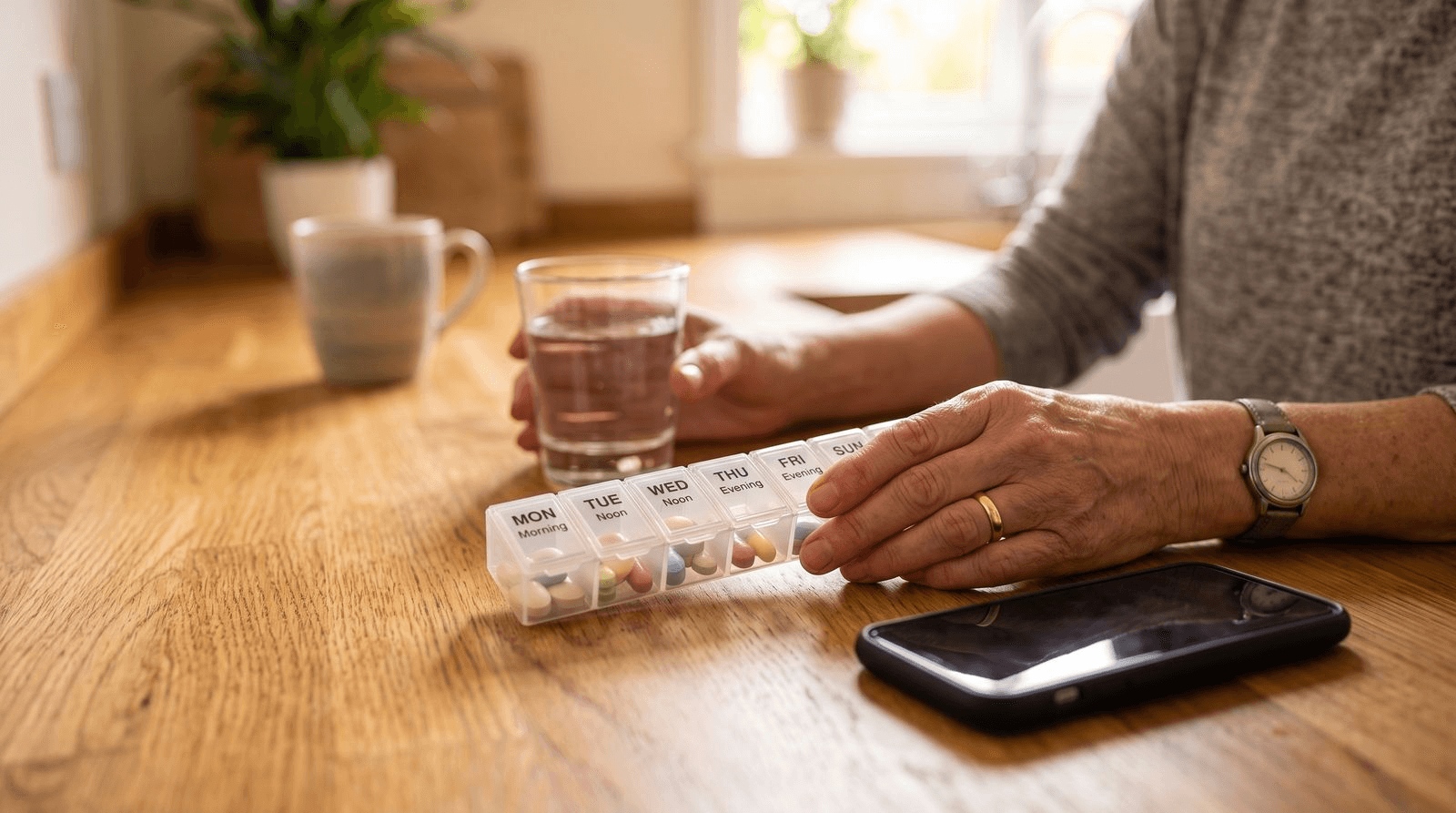
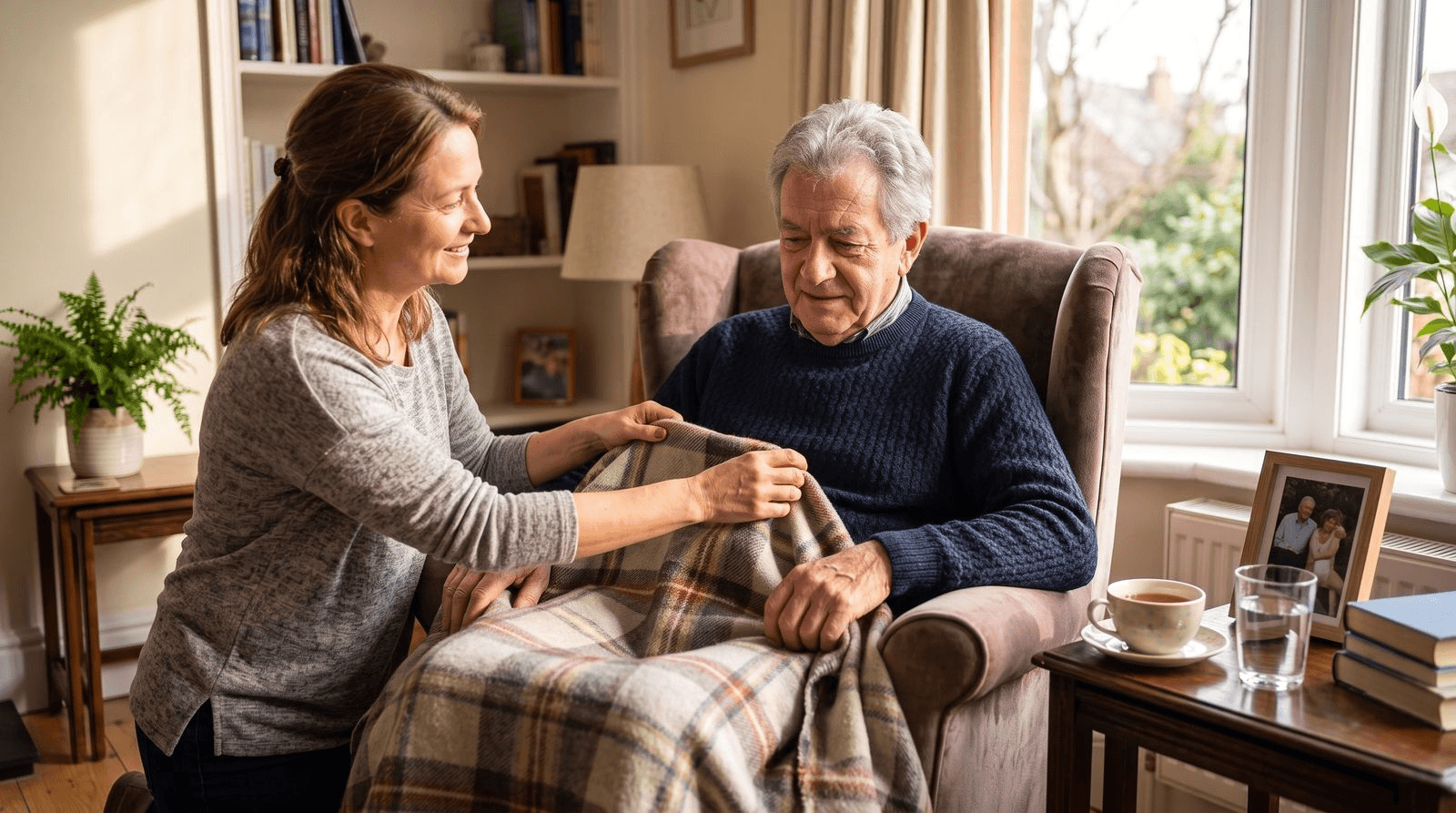
A lot of it is simple and steady. Cool compresses and loose clothing ease the raw skin. Keeping the rash clean and loosely covered protects it while it scabs. Soft meals and steady fluids matter when appetite fades, and short rests beat pushing through. This is often where families lean on hands-on personal care, a caregiver who helps with bathing, dressing, and the awkward parts of moving around a painful rash, along with reminders that keep the antiviral doses on their tight schedule. Just as important is the quiet company of companion care through a stretch that can be lonely and wearing, and a watchful eye for the warning signs, spreading rash, eye involvement, a new fever, or fresh confusion, that mean it is time to call the doctor again.
The Shot That Stops Most Cases
Here is the part that changes the whole story: most shingles is now preventable. The shingles vaccine, sold as Shingrix, is more than 90 percent effective and is given as two doses two to six months apart. The CDC recommends it for adults 50 and older, and for adults 19 and older with weakened immune systems, whether or not they remember having chickenpox and even if they had shingles in the past or got the older vaccine years ago.
The most common mistake is getting the first dose and skipping the second; both are needed for full protection. A sore arm or a day of feeling run-down afterward is common and short-lived, a small price against the weeks of pain the shot is designed to prevent. If an older adult in your life has not had it, a pharmacist can usually give it without an appointment, and it pairs naturally with the other vaccines older adults need.
Move Fast, Then Be Patient
Shingles rewards two very different instincts. At the start, it rewards speed: the new one-sided pain, the tingling band, the first blisters, all of it is a reason to call the doctor the same day, while the treatment window is still open. After that, it rewards patience, because the rash heals on its own schedule and the body needs rest, comfort, and time. Older adults tend to need more of all three.
If a parent is worn down by an outbreak and the daily care is more than the family can carry alone, steady help at home can cover the gap, whether that is a caregiver managing hygiene and comfort during the day or simply someone keeping watch so no warning sign is missed. It is the kind of support families we work with across Mercer County, New Jersey often reach for during a rough stretch like this one. And once the rash is a memory, the most useful thing anyone can do is make sure the vaccine is on the calendar, so there is never a next time.
Frequently Asked Questions
Is shingles dangerous for older adults?
It can be. Shingles is rarely life-threatening, but older adults are far more likely than younger people to develop serious, lasting complications. The biggest is postherpetic neuralgia, nerve pain that lingers after the rash clears and becomes both more common and more severe with age. Shingles on the face can involve the eye and threaten vision, which is a medical emergency. A small share of older adults are hospitalized for complications, and almost all of the rare deaths from shingles occur in older or immune-compromised people. The pain and fatigue alone can knock an older adult off their feet for weeks, disrupting sleep, appetite, and independence. None of this means panic, but it does mean shingles in an older adult should be taken seriously and treated quickly.
What are the early warning signs of shingles?
The first sign is usually not a rash at all. Several days before anything shows on the skin, most people feel pain, burning, itching, or tingling in one specific area on one side of the body, often a band across the torso or one side of the face. Some also run a low fever, feel a headache, or simply feel unwell. Then a red rash appears in that same strip and blisters over. Because the early pain arrives before the telltale rash, it is easy to mistake for a pulled muscle, a heart problem, or a headache. When an older adult has new one-sided pain or an odd tingling stripe, shingles is worth keeping in mind, especially so the antiviral window is not missed.
Why does shingles treatment need to start within 72 hours?
Antiviral medications such as acyclovir, valacyclovir, and famciclovir work by slowing the virus while it is actively multiplying, which happens in the first days of the outbreak. Studies started treatment within 72 hours of the rash appearing, and that early window is when the drugs do the most to ease the severity and shorten the attack. Older adults, who face the highest risk of drawn-out pain, benefit most from starting fast. This is why a suspected case is a same-day phone call: waiting for a weekday appointment or hoping the rash resolves on its own can close the window that matters most. If more than 72 hours have passed, a doctor may still prescribe antivirals, particularly if new blisters are forming or the face is involved.
How long does shingles last in older adults?
The rash itself usually blisters, scabs over in a week to ten days, and clears within two to four weeks. In older adults the process can run slower and feel more punishing, with deeper pain and more fatigue than a younger person experiences. The harder question is the pain. When postherpetic neuralgia sets in, the nerve pain can persist for months, and in some older adults for a year or longer after the skin has healed. That is exactly why early treatment and prevention matter so much: the goal is not only a faster-healing rash but a lower chance of pain that overstays its welcome.
Can you still get the shingles vaccine after having shingles?
Yes. Having had shingles does not make you immune to a repeat, so the CDC still recommends the Shingrix vaccine after a past episode to lower the odds of it happening again. There is no fixed waiting period, though it is generally advised to wait until the current rash has fully cleared before getting vaccinated. Shingrix is recommended as two doses for adults 50 and older, and for adults 19 and older with weakened immune systems, regardless of whether they remember having chickenpox or received the older shingles vaccine years ago. A doctor or pharmacist can confirm the right timing.