
Respite care at home, so the family caregiver can rest
A trained caregiver takes over for an afternoon, a night, a weekend or a week, and keeps your loved one's routine going while you sleep, work, travel or recover.
From our office in Princeton, serving Mercer County, NJ.

What respite care is
Respite care is a break for the person who does the caregiving. A professional caregiver steps in at home for a few hours, a night, a weekend or longer, and does what you usually do: helps with bathing and meals, gives medication reminders, keeps your loved one company and keeps them safe.
Most of the families who call us for respite have been doing it alone for a long time. A wife who hasn't left her husband's side since his stroke. A son who drives over every evening after work. A daughter who needs surgery herself and doesn't know who will cover. Regular breaks are what let them keep going.
It isn't a different kind of care. It's the same help our caregivers give every day, booked around your need for a break: once, or as a standing arrangement, like the same caregiver every Tuesday afternoon. Our guide to respite care covers every option in more depth.
What a respite caregiver does while you're away
Before your first break, the nurse writes down your routine so the caregiver can follow it: what time lunch is, which chair your mother likes, how your father takes his medications, what calms him when he's upset. Then the caregiver can:
-
Keep the routine
Meals, medication reminders, naps and bedtime at the usual times.
-
Help with personal care
Bathing, dressing, toileting and incontinence care.
-
Keep them safe
A steady arm on the stairs and in the bathroom, an eye on the doors, and a calm house.
-
Keep them company
Conversation, cards, music, a walk, the shows they like.
-
Stay the night
An overnight caregiver who stays awake, so you can sleep through.
-
Keep you posted
A call if anything changes, and a word on how things went when you're back.
For a short evening out, some families book a few hours of companion care. For a longer absence, respite can run through the night with overnight care or around the clock with 24-hour home care.
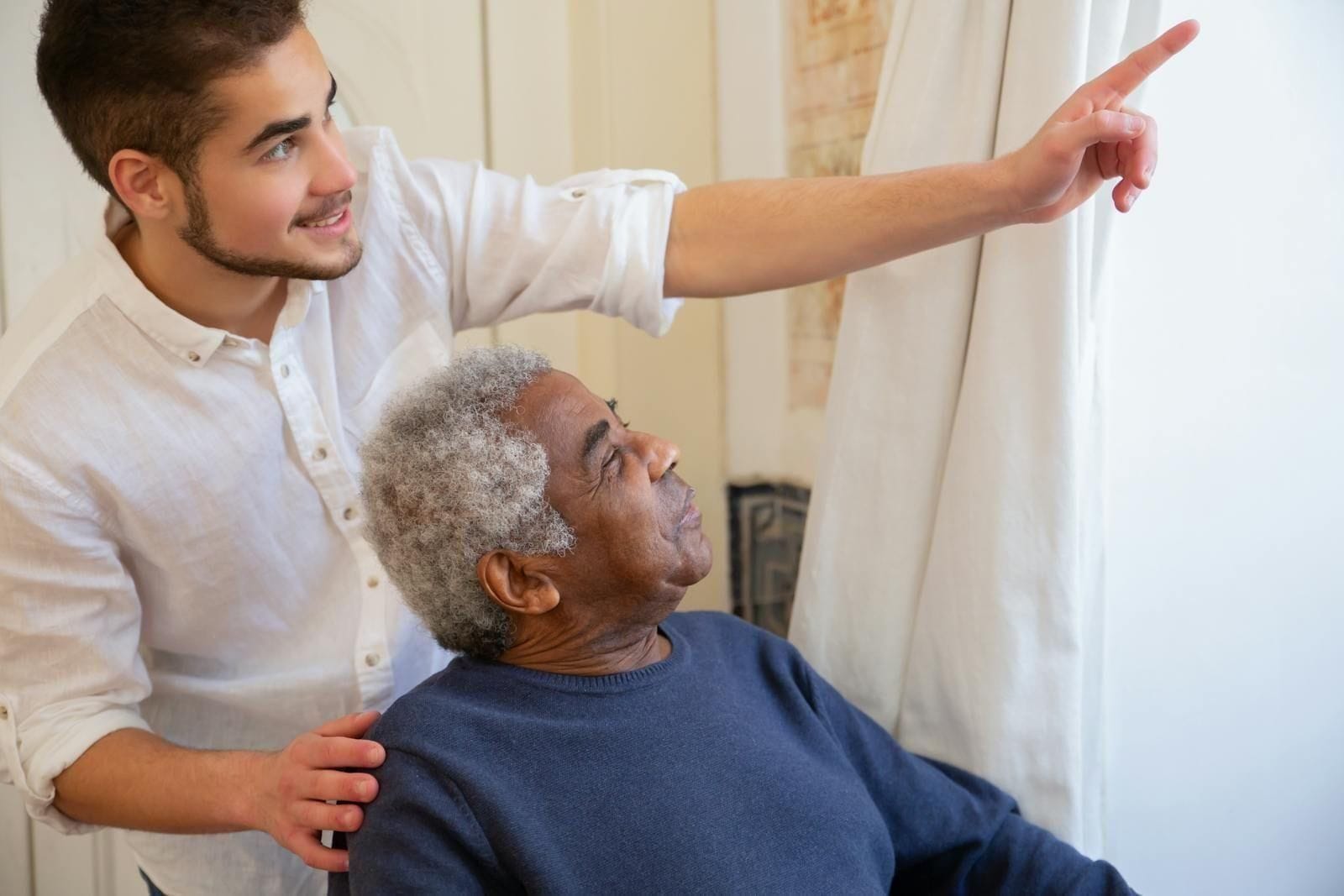
Respite at home, at a day program or in a facility
There are three common ways to get a break. A caregiver can come to the house, your loved one can spend the day at an adult day program, or they can stay a few days in a facility. We provide the first, and we're glad to help you think through the others.
| At home | Adult day program | Short facility stay | |
|---|---|---|---|
| Where | Your loved one's home | A community day center | An assisted living community or nursing home |
| When | Any hours, including nights and weekends | Usually weekday daytime hours | A few days to a few weeks |
| Best for | Keeping someone in familiar surroundings, especially with dementia | Daytime company and activities for someone who can travel | A longer absence, when staying home isn't workable |
| Who pays | Paid to us directly; long-term care insurance often reimburses the family | Private pay; some state, Medicaid and VA programs help | Private pay; Medicare covers short stays only for people in hospice |
Many people with dementia are calmer at home, where everything is familiar, which is often why families choose respite there.
What respite care costs
Medicare doesn't pay for respite at home. Long-term care insurance often covers it: you pay us directly, and we file the claims so the policy reimburses you. Veterans enrolled in VA health care can ask their VA social worker about the VA's own respite care, and those receiving the VA pension with Aid and Attendance can put it toward private care.
Why a regular break matters
If you're not sure whether you need one, our guide to spotting caregiver burnout lists the signs.
-
You stay well
Sleep, a doctor's appointment of your own, an afternoon with friends: the things that keep you able to keep going.
-
They stay home
No packing, no new building, no strangers in a strange place.
-
A familiar relief caregiver
When you book regularly, we aim to send the same kind, dependable caregiver each time, so your loved one knows who is coming.
-
As much or as little as you need
Three hours on a Saturday, or ten days while you travel.
How to book respite care
It's easier to plan a break than to arrange cover in an emergency. If it's urgent, call anyway; we can often staff quickly.
-
Call us
Tell us who you care for, what a normal day looks like, and when you need the break.
-
A nurse visits
A registered nurse meets you and your loved one at home for a free assessment, learns the routine and writes it into a care plan.
-
Meet the caregiver
If you can, be there for the start of the first visit, so your loved one meets the caregiver with you in the room.
-
Take the break
Go and rest. We'll call if anything changes, and someone at our office answers day or night if you want to check in.
What families are saying
Always Responsive Home Care gave us peace of mind during a very stressful time. Communication was excellent, and their 24/7 availability made us feel supported. My mom lights up every time her caregiver arrives.
Questions about home care services
Still have a question? Call or text us. Someone is here to talk, any time of day.
(609) 208-1111Click or tap a question to see the answer.
What services do your caregivers provide?
Our caregivers help with everything your loved one needs to live safely and comfortably at home. This includes personal care such as bathing, dressing, grooming, toileting, and help moving around the house safely. They also assist with everyday tasks like meal preparation, light housekeeping, laundry, grocery shopping, errands, and rides to appointments. Just as important, they provide friendly companionship, conversation, and medication reminders to help your loved one stay on track. Whether you need companion care, personal care, respite care for a family caregiver, or overnight and 24 hour care, we'll build a care plan around your loved one's routine.
Can a caregiver help with bathing, dressing, and using the bathroom?
Yes. Our caregivers are trained to help with personal care, including bathing, showering, dressing, grooming, and toileting. They always treat your loved one with patience, dignity, and respect, and follow their preferences and routines so they feel comfortable and in control. Personal care is one of the most common reasons families reach out to us, and it can make a big difference in keeping your loved one safe at home.
Do your caregivers drive clients to appointments and errands?
Yes. Our caregivers can drive your loved one to doctor's appointments, the pharmacy, the grocery store, the salon, church, or a visit with friends. They stay with your loved one the whole time, so they're never left waiting alone or struggling to get in and out of the car. If the caregiver uses their own vehicle, mileage is billed at the standard federal (IRS) mileage rate. Caregivers can also drive your loved one's car, and we simply make sure every vehicle used is properly insured.
Do you provide overnight or 24 hour care?
Yes, we provide both. Overnight care gives your loved one an awake caregiver through the night to help with bathroom trips, prevent falls, and offer reassurance if they wake up confused or anxious. It also lets the rest of the family finally get a good night's sleep. For loved ones who need support around the clock, our 24 hour care is provided in shifts, so there's always a caregiver who is alert, rested, and ready to help.
Do you care for people with Alzheimer's or dementia?
Yes, dementia care is one of our specialties. Every caregiver receives Alzheimer's and dementia training when they join us, along with ongoing training throughout the year. They know how to gently guide your loved one through daily routines, ease confusion and anxiety, and keep them safe at home, all with patience and compassion. We also take the time to learn your loved one's history, interests, and favorite things so we can create moments of comfort and connection every day.
Can a caregiver give medications?
Our caregivers can't administer medications, but they can provide medication reminders to help your loved one take the right medicine at the right time. Every situation is different, so our team will talk with you about safe options for managing your loved one's medications and help you find the approach that works best for your family.
Let's talk about care for your family
Send the form and our Mercer County team will call you back to talk about your loved one and set up a free in-home assessment. There's no cost and no obligation.
By submitting this form, you agree to our Privacy Policy and Terms of Service.