
Stroke recovery home care for the months after rehab
Help at home with transfers, meals, medications and the therapy exercises, from caregivers who know what a stroke changes and which warning signs to watch for.
From our office in Princeton, serving Mercer County, NJ.
What stroke recovery care at home involves
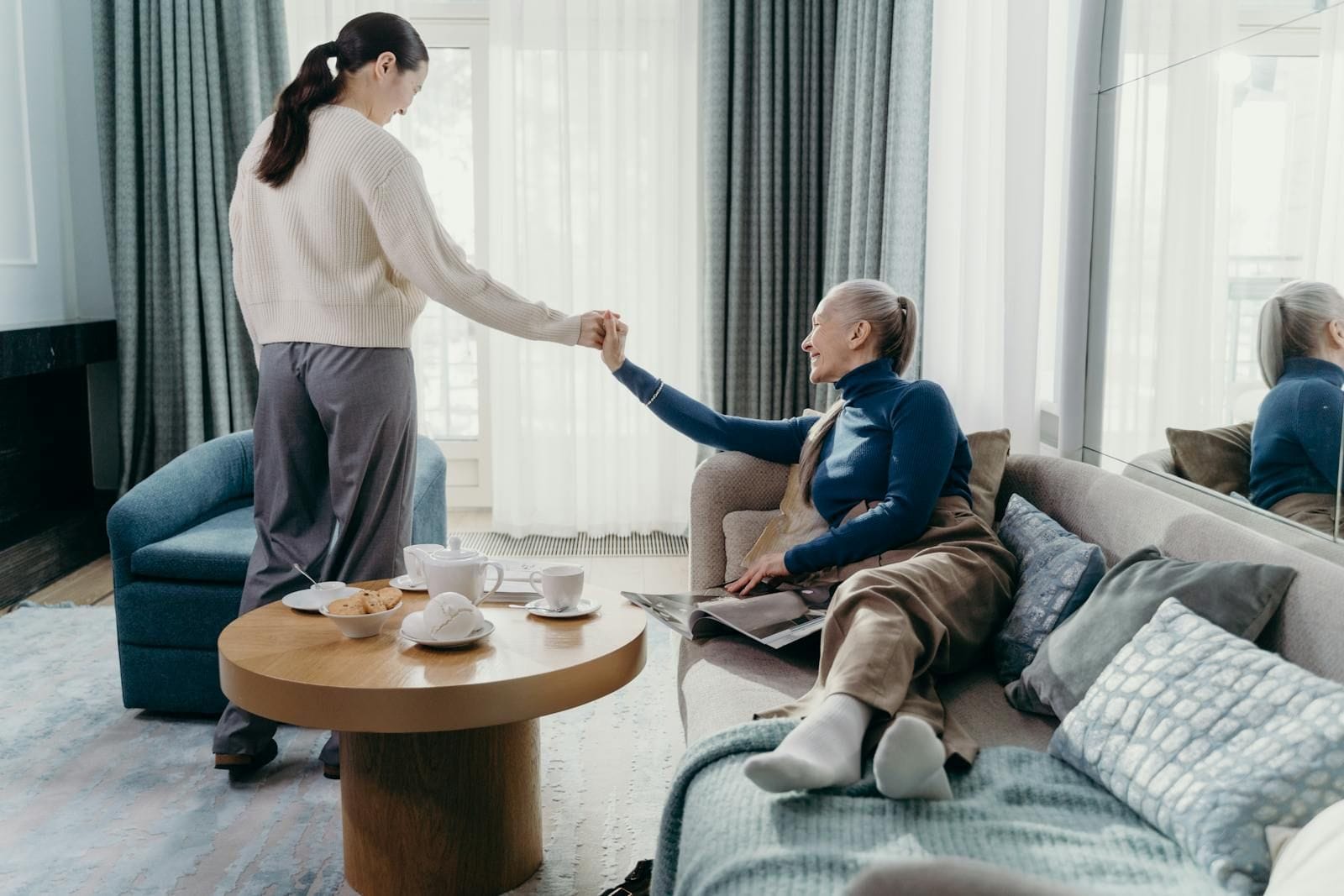
Stroke recovery home care is non-medical help at home for someone recovering from a stroke. A caregiver helps with what a stroke can make hard: getting in and out of bed and the shower, dressing with one weak side, eating safely, keeping medications on schedule, and practicing the exercises the therapists assign.
Coming home is a big step. In the hospital and in rehab, help was a call button away. At home, the therapists come a few times a week, and the rest of the time it's the family. That's where most of recovery happens, and where one fall can undo weeks of progress. A trained caregiver is there for the riskiest parts of the day: bathing, the stairs and the walk to the bathroom at night.
Strokes are common. The CDC reports that more than 795,000 people in the United States have a stroke each year, and that nearly one in four of those strokes happens to someone who has had one before. Stroke is a leading cause of serious long-term disability, and it reduces mobility in more than half of survivors age 65 and older.
What a caregiver helps with after a stroke
-
Safe transfers
Bed to chair, chair to toilet, into the car, done the way the physical therapist taught, leading with the strong side and guarding the weak one.
-
Getting washed and dressed
Dressing the weaker side first, a shower chair and grab bars, and patience while they do as much as they can themselves.
-
Eating and drinking safely
Food and drinks prepared the way the speech therapist ordered, such as soft foods or thickened liquids, and someone at the table to watch for coughing or choking.
-
Medications on schedule
Reminders for blood thinners, blood pressure pills and the rest at the right times, and a note of each dose.
-
Practice between therapy visits
Encouragement with the arm, leg, balance and speech exercises the therapists assign, every day rather than only on visit days.
-
Patience with speech
When a stroke has affected language, which is called aphasia, the caregiver gives time to answer, uses yes-or-no questions and gestures, and doesn't finish their sentences for them.
-
Mood
The American Heart Association estimates that about one in three stroke survivors has depression at any one time. It's treatable, so we tell the family when we notice low mood or withdrawal.
Our caregivers know the warning signs of another stroke: sudden face drooping, arm weakness or trouble speaking, the F.A.S.T. signs the American Stroke Association teaches, as well as sudden loss of balance or vision. If they see them, they call 911 first.
Recovery at home, stage by stage
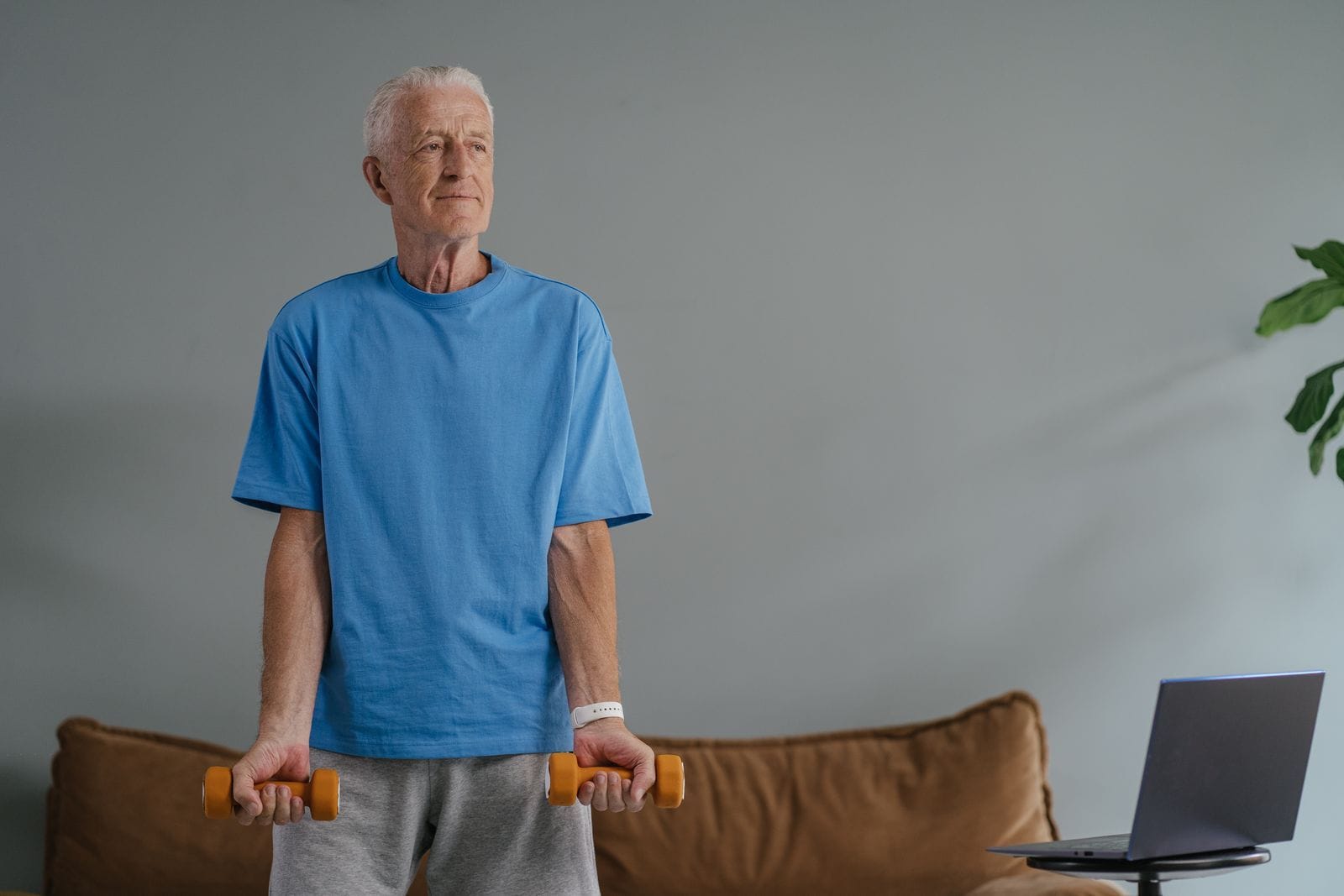
The American Stroke Association notes that recovery can take years, but the most rapid progress usually comes in the first three months. The help that fits changes along the way, usually toward less of it.
| Stage | What's happening | Help that usually fits |
|---|---|---|
| The first days home | Everything is new: medications, equipment, a body that moves differently, and a family learning as they go. | Long daily shifts or care around the clock while everyone settles in, after a nurse has looked over the home. |
| Rehabilitation at home | Home health therapists visit, and the exercises between visits matter as much as the visits. | Daily help with transfers, bathing and meals, and encouragement with the home exercise program. |
| After therapy ends | Formal therapy stops, but recovery doesn't have to. Progress tends to come more slowly. | Fewer hours, focused on the riskier tasks such as showering, plus steady practice. |
| Living with lasting changes | Some effects of a stroke stay, and home life is set up around them. | Regular help with whatever stays hard, and more help at night or around the clock if it's needed. |
Leaving the hospital soon? Our hospital-to-home care page covers the first days after discharge. For heavier needs, see specialized and complex care, and for mobility help on its own, mobility care.
Why recovering at home helps
-
Practice where it counts
Learning to manage their own bathroom, kitchen and stairs is the practice that matters for living at home.
-
Exercises that happen every day
A caregiver keeps the home exercise program going on the days the therapists don't come.
-
Fewer risky moments alone
Transfers and bathroom trips with someone beside them.
-
A spouse who isn't doing it all
Help with the lifting, the nights and the long days.
How stroke recovery care starts
Call before discharge if you can. The hospital or rehab case manager can tell you the date.
-
Before discharge
Tell us the discharge date, what the therapists recommended, and what equipment is coming.
-
A nurse visits
A registered nurse comes for a free assessment, goes over the discharge instructions and medication list, checks the home for fall risks, and writes the plan.
-
The caregiver starts
We match a dependable caregiver experienced with stroke recovery and the transfers involved, and can often start the same day.
-
The plan changes as they improve
Usually toward fewer hours over time. The nurse updates the plan after each change: the end of therapy, a fall, a new medication.
What families are saying
Always Responsive Home Care gave us peace of mind during a very stressful time. Communication was excellent, and their 24/7 availability made us feel supported. My mom lights up every time her caregiver arrives.
Questions about home care services
Still have a question? Call or text us. Someone is here to talk, any time of day.
(609) 208-1111Click or tap a question to see the answer.
What services do your caregivers provide?
Our caregivers help with everything your loved one needs to live safely and comfortably at home. This includes personal care such as bathing, dressing, grooming, toileting, and help moving around the house safely. They also assist with everyday tasks like meal preparation, light housekeeping, laundry, grocery shopping, errands, and rides to appointments. Just as important, they provide friendly companionship, conversation, and medication reminders to help your loved one stay on track. Whether you need companion care, personal care, respite care for a family caregiver, or overnight and 24 hour care, we'll build a care plan around your loved one's routine.
Can a caregiver help with bathing, dressing, and using the bathroom?
Yes. Our caregivers are trained to help with personal care, including bathing, showering, dressing, grooming, and toileting. They always treat your loved one with patience, dignity, and respect, and follow their preferences and routines so they feel comfortable and in control. Personal care is one of the most common reasons families reach out to us, and it can make a big difference in keeping your loved one safe at home.
Do your caregivers drive clients to appointments and errands?
Yes. Our caregivers can drive your loved one to doctor's appointments, the pharmacy, the grocery store, the salon, church, or a visit with friends. They stay with your loved one the whole time, so they're never left waiting alone or struggling to get in and out of the car. If the caregiver uses their own vehicle, mileage is billed at the standard federal (IRS) mileage rate. Caregivers can also drive your loved one's car, and we simply make sure every vehicle used is properly insured.
Do you provide overnight or 24 hour care?
Yes, we provide both. Overnight care gives your loved one an awake caregiver through the night to help with bathroom trips, prevent falls, and offer reassurance if they wake up confused or anxious. It also lets the rest of the family finally get a good night's sleep. For loved ones who need support around the clock, our 24 hour care is provided in shifts, so there's always a caregiver who is alert, rested, and ready to help.
Do you care for people with Alzheimer's or dementia?
Yes, dementia care is one of our specialties. Every caregiver receives Alzheimer's and dementia training when they join us, along with ongoing training throughout the year. They know how to gently guide your loved one through daily routines, ease confusion and anxiety, and keep them safe at home, all with patience and compassion. We also take the time to learn your loved one's history, interests, and favorite things so we can create moments of comfort and connection every day.
Can a caregiver give medications?
Our caregivers can't administer medications, but they can provide medication reminders to help your loved one take the right medicine at the right time. Every situation is different, so our team will talk with you about safe options for managing your loved one's medications and help you find the approach that works best for your family.
Let's talk about care for your family
Send the form and our Mercer County team will call you back to talk about your loved one and set up a free in-home assessment. There's no cost and no obligation.
By submitting this form, you agree to our Privacy Policy and Terms of Service.