
Home health care vs home care, and which one your parent needs
Home health is short-term medical care that a doctor orders and Medicare usually pays for. Home care is everyday help at home that families arrange and pay for themselves. Many people need both.
From our office in Ponte Vedra, serving St. Johns, Flagler, Duval & Volusia counties, FL.
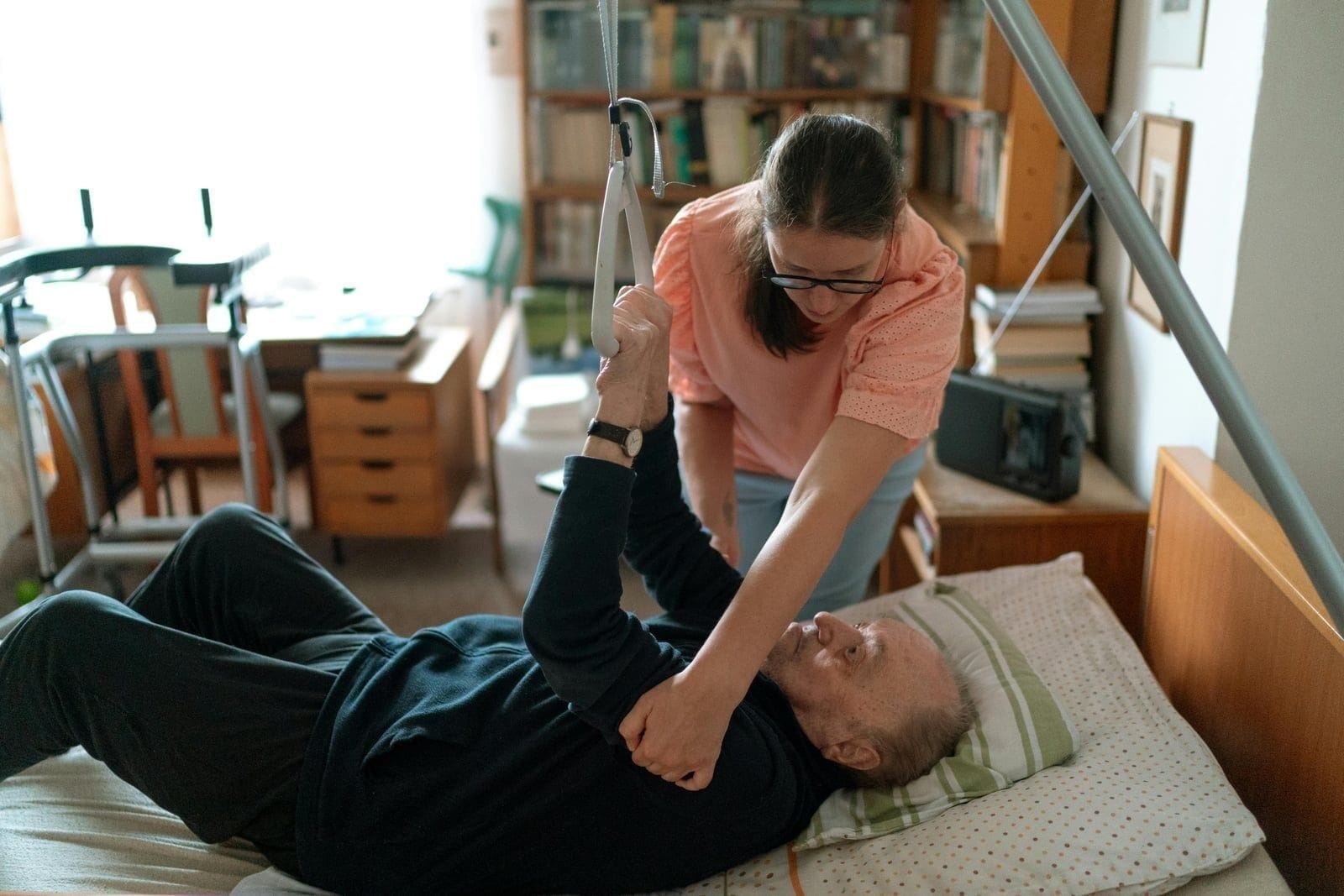
One is medical and short term, the other is everyday help
Home health care is skilled medical care at home. A nurse or therapist visits for an hour or so, a few times a week, because a doctor ordered it. It lasts as long as the medical need does, usually a few weeks after a hospital stay, and Medicare pays for it when the person qualifies.
Home care is non-medical help with daily life: bathing, dressing, meals, getting around, medication reminders and companionship. A caregiver comes for hours at a time, for as long as the family wants, with no doctor's order. The family pays for it, and a long-term care insurance policy can reimburse them.
Always Responsive Home Care provides home care, also called non-medical home care. We aren't a home health agency, and we often work alongside one: their nurse looks after the wound and their therapist sets the exercises, and our caregiver helps with the rest of the day.
Home health care and home care side by side
| Home health care | Home care | |
|---|---|---|
| Who comes | Registered nurses, physical, occupational and speech therapists, and sometimes an aide | A caregiver or home health aide |
| What they do | Wound care, injections, IV therapy, therapy exercises, teaching about a new condition | Bathing, dressing, the toilet, meals, getting around, housework, errands, companionship, medication reminders |
| How it starts | A doctor orders it and certifies that the person is homebound | The family calls an agency. No doctor's order needed |
| Hours | Short visits, generally under 8 hours a day and 28 hours a week combined | Whatever the family needs, from a few hours a week to 24 hours a day |
| How long | While the person is homebound and needs skilled care | As long as the family wants it |
| Who pays | Medicare, Medicaid or health insurance. Medicare patients pay nothing for covered visits | The family pays directly, and long-term care insurance can reimburse them. Typically $32 to $55 per hour, depending on where you live |
How Medicare's home health benefit works
To qualify, a person must be homebound, meaning leaving home takes a lot of effort or isn't recommended, and must need part-time skilled nursing or physical, occupational or speech therapy. A doctor has to certify both and set up a plan of care, and the agency has to be Medicare-certified.
When those conditions are met, Medicare covers skilled nursing, therapy and part-time home health aide visits, generally up to 8 hours a day and 28 hours a week combined, and up to 35 hours a week for a short time when a doctor says it's needed. You pay nothing for covered home health services. Medical equipment such as a walker is covered separately, and you usually pay 20% of the approved amount after the Part B deductible.
Medicare pays the agency a set amount for each 30-day period of care, not by the hour, and the doctor recertifies the need every 60 days. There's no limit on how many times care can be recertified while the person still qualifies. Medicare.gov's home health page is the authoritative source, and our guide to whether Medicare pays for home health care walks through the details.
What home care covers that home health doesn't
Medicare doesn't cover 24-hour care at home, meal delivery, homemaker services such as shopping and cleaning that aren't part of the care plan, or personal care such as bathing and dressing when that's the only care someone needs.
Most of what an older person needs to stay at home isn't medical. It's help getting into the shower without falling, a hot lunch, someone to notice a dose was missed, a ride to the eye doctor, and company on a long afternoon. Home health doesn't provide those things, and the visits stop when the skilled need ends.
Home care fills that space. A caregiver comes for a few hours or a full shift, on whatever days you choose, and keeps coming for months or years if that's what it takes. Schedules range from a few hours a week of hourly care to 24-hour home care.
Using both after a hospital stay
Say your loved one comes home after a hip replacement. The hospital arranges home health: a nurse checks the incision, a physical therapist works on walking, an occupational therapist teaches her to dress safely without bending the new hip. Each visits for an hour or so, a few times a week.
For the rest of the day she still needs help. A caregiver from a home care agency helps her shower on the shower chair, dresses her the way the therapist showed, makes her meals, reminds her about her blood thinner, walks the hallway with her between therapy visits and gives you a few hours off.
When the home health agency discharges her a few weeks later, the home care can taper off or carry on as long as it's useful. Our page on hospital to home care covers that stretch in more detail.
Matching the care to where your parent is now
-
Just discharged, with nursing or therapy in the discharge plan
You need home health, and the hospital usually arranges it. Add home care for the hours in between if your parent can't manage those alone.
-
Daily help with no medical treatment going on
You need home care. Call an agency directly; no doctor's order is needed.
-
Home health is ending but your parent still needs help
This is when many families call us. The visits stop, but the need for help with daily life usually doesn't.
-
A new medical need without a hospital stay
Ask the doctor whether home health is appropriate, for example for a new wound or a new diagnosis that needs teaching. If your parent is homebound and needs skilled care, Medicare can cover it.
If you're not sure which side you're on, call us. Someone answers day or night, and if home health is what your parent needs first, we'll tell you so rather than book a shift you don't need yet.
What families are saying
We brought Always Responsive Home Care into our home to care for my husband, and their caregiver, Adwoa, quickly became part of our family. She was gentle and patient with him, and she always treated him with dignity. She noticed the little things, like how he liked his coffee and when he needed a rest before he said a word. The office team was just as wonderful. Every time I called, someone answered and took care of what we needed. Knowing he was in such good hands gave me peace of mind I hadn't felt in a long time. Thank you, Adwoa and the whole Always Responsive team. We are so grateful.
Read more Show less
Questions about home care services
Still have a question? Call or text us. Someone is here to talk, any time of day.
(904) 204-2046Click or tap a question to see the answer.
What services do your caregivers provide?
Our caregivers help with everything your loved one needs to live safely and comfortably at home. This includes personal care such as bathing, dressing, grooming, toileting, and help moving around the house safely. They also assist with everyday tasks like meal preparation, light housekeeping, laundry, grocery shopping, errands, and rides to appointments. Just as important, they provide friendly companionship, conversation, and medication reminders to help your loved one stay on track. Whether you need companion care, personal care, respite care for a family caregiver, or overnight and 24 hour care, we'll build a care plan around your loved one's routine.
Can a caregiver help with bathing, dressing, and using the bathroom?
Yes. Our caregivers are trained to help with personal care, including bathing, showering, dressing, grooming, and toileting. They always treat your loved one with patience, dignity, and respect, and follow their preferences and routines so they feel comfortable and in control. Personal care is one of the most common reasons families reach out to us, and it can make a big difference in keeping your loved one safe at home.
Do your caregivers drive clients to appointments and errands?
Yes. Our caregivers can drive your loved one to doctor's appointments, the pharmacy, the grocery store, the salon, church, or a visit with friends. They stay with your loved one the whole time, so they're never left waiting alone or struggling to get in and out of the car. If the caregiver uses their own vehicle, mileage is billed at the standard federal (IRS) mileage rate. Caregivers can also drive your loved one's car, and we simply make sure every vehicle used is properly insured.
Do you provide overnight or 24 hour care?
Yes, we provide both. Overnight care gives your loved one an awake caregiver through the night to help with bathroom trips, prevent falls, and offer reassurance if they wake up confused or anxious. It also lets the rest of the family finally get a good night's sleep. For loved ones who need support around the clock, our 24 hour care is provided in shifts, so there's always a caregiver who is alert, rested, and ready to help.
Do you care for people with Alzheimer's or dementia?
Yes, dementia care is one of our specialties. Every caregiver receives Alzheimer's and dementia training when they join us, along with ongoing training throughout the year. They know how to gently guide your loved one through daily routines, ease confusion and anxiety, and keep them safe at home, all with patience and compassion. We also take the time to learn your loved one's history, interests, and favorite things so we can create moments of comfort and connection every day.
Can a caregiver give medications?
Our caregivers can't administer medications, but they can provide medication reminders to help your loved one take the right medicine at the right time. Every situation is different, so our team will talk with you about safe options for managing your loved one's medications and help you find the approach that works best for your family.
Let's talk about care for your family
Send the form and our Ponte Vedra team will call you back to talk about your loved one and set up a free in-home assessment. There's no cost and no obligation.

By submitting this form, you agree to our Privacy Policy and Terms of Service.