Why Daily Showers Stop Making Sense With Age
Most older adults only need a full bath once or twice a week. A myth-busting guide to senior hygiene, aging skin, bathroom safety, and gentle help.
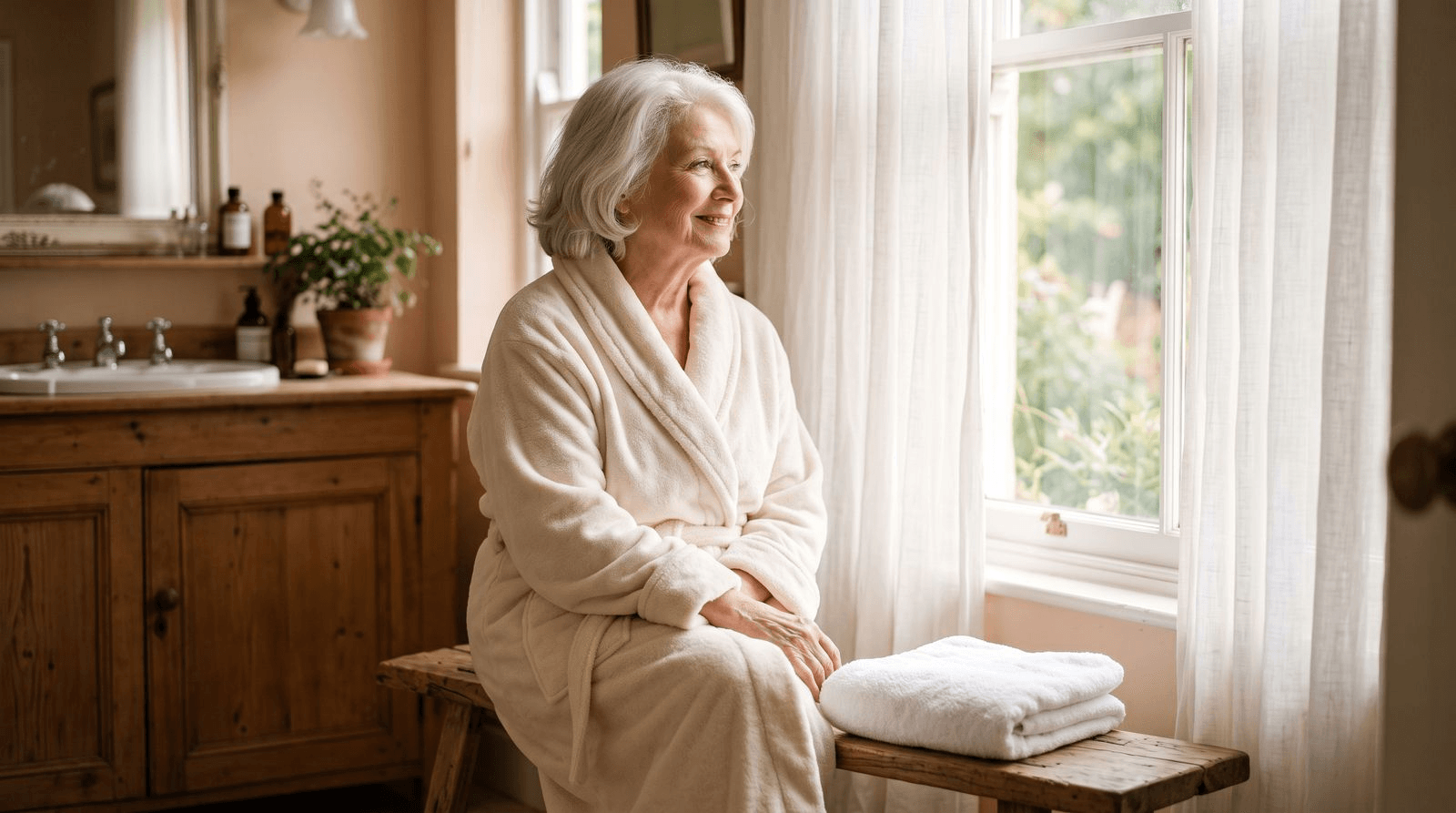
In a single year, roughly 234,000 people were treated in American emergency rooms for injuries that happened in the bathroom, and four out of five of those injuries were falls. The rate was highest among people over 65, and most of the falls happened at the tub or shower, getting in, getting out, standing up. Set that number next to a habit most of us never question, the daily shower, and something does not add up. We tell older adults to bathe more, in the room where they are most likely to get hurt, using a routine that may not be doing their skin any favors.
The truth is that later life is exactly when the old rules about washing should loosen. Bathing less often, more carefully, and more safely is not a decline in standards. For most seniors, it is simply the smarter approach. Here is what actually holds up, and what does not.
How the Daily-Shower Habit Took Hold
The daily shower is younger than most people think. For much of human history, a full-body wash was a weekly event at most. Indoor plumbing, hot-water heaters, and a century of soap advertising turned it into a moral expectation: clean people shower every day, and skipping it means letting yourself go. That belief runs deep. It is why a family often panics at the first sign that a parent has stopped bathing daily, and why the parent, sensing judgment, digs in.
But a rule built for busy, oily, active adult skin does not transfer neatly to a body in its eighties. The skin changes, the risks change, and the routine should change with them. Most of what worries families about senior bathing turns out to be a myth worth retiring.
Myth: A Clean Person Bathes Every Day
Dermatologists are close to unanimous here, and they have been for years: daily showering is unnecessary for most people, and actively unhelpful for older ones. As skin ages it grows thinner and loses much of the oil that keeps it supple and sealed. A full shower once or twice a week is enough to keep an older adult clean and protected from infection. Some skin specialists suggest every two to three days at most for seniors, precisely because more than that tends to backfire.
Once or twice a week is not a shortcut or a compromise. It is the recommendation. What fills the gap is not more showers but smarter ones, which is the next myth.
Myth: Washing Less Means Poor Hygiene
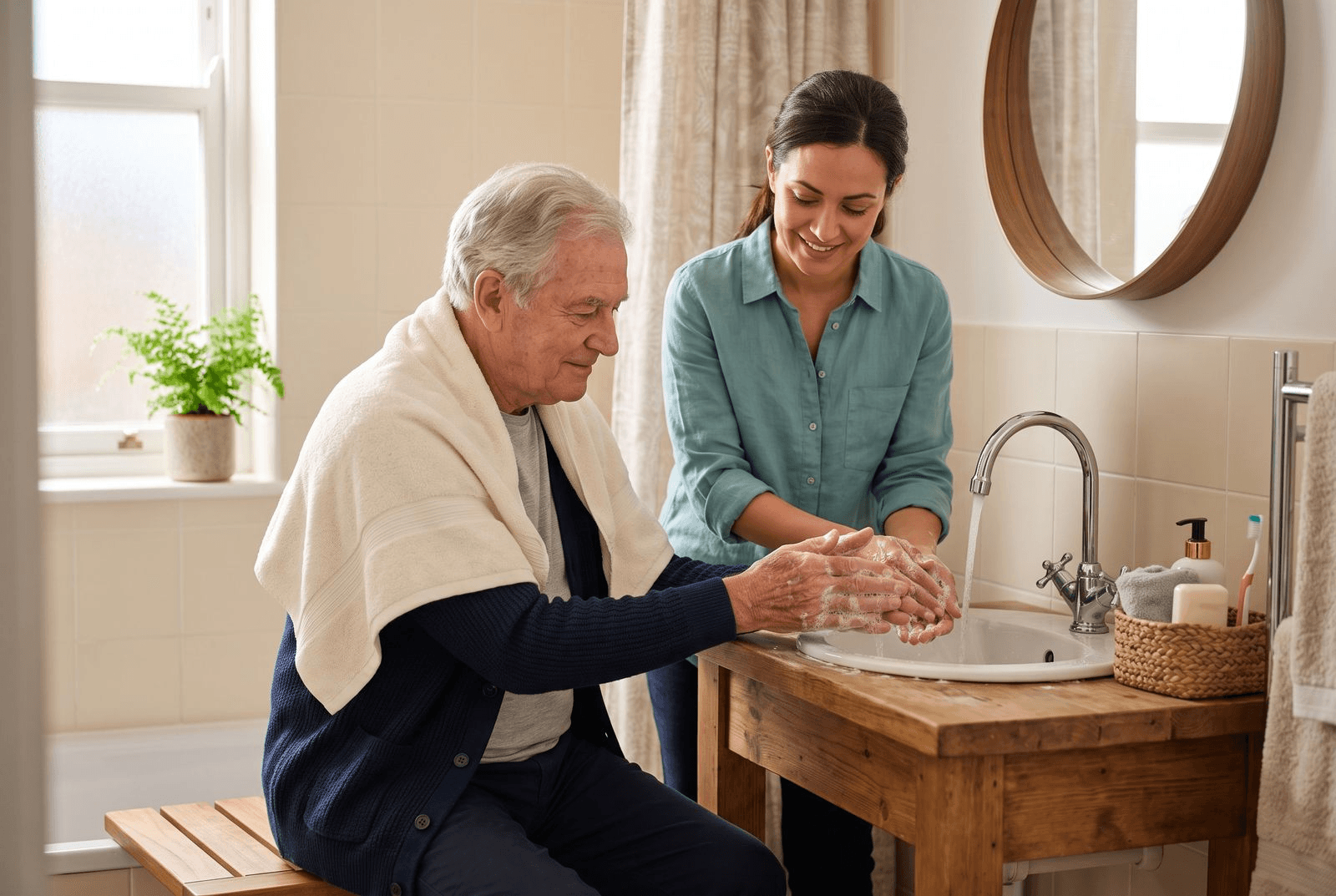
Cutting back on full showers does not mean going unwashed. The parts of the body that actually need daily attention are small and specific: the face, the underarms, the groin, and the feet, the areas that hold moisture and odor. A quick sponge bath at the sink handles all of them in a couple of minutes, with no risk of a fall and no assault on dry skin. Between weekly showers, that is all most people need to stay genuinely fresh.
There is a real hygiene floor to respect, and it matters. Skin that is never cleaned can break down and become infected, and in older women especially, poor perineal hygiene raises the risk of urinary tract infections, which in seniors can turn serious fast. The goal is not less cleaning. It is the right cleaning: keep the key areas clean daily, do a full wash once or twice a week, and check the skin, folds, feet, and pressure points included, for any redness or breakdown while you are at it.
Myth: The Hotter the Water, the Cleaner You Get
Hot water feels wonderful, especially to someone who is often cold, and that is exactly the trap. Heat strips the skin's natural oils faster than warm water does, and on thin, oil-poor older skin the result is itching, flaking, and cracks that can become an entry point for infection. Cleanliness comes from the soap and the friction, not the temperature. Warm water cleans just as well and treats the skin far better.
A skin-friendly routine for later life is easy to describe. Keep the water warm, not hot. Keep the wash short, five to ten minutes. Trade harsh, heavily fragranced deodorant soaps for a mild, fragrance-free cleanser, and skip the loofah and the coarse washcloth, which scrape more than aging skin can spare. Then, within a few minutes of stepping out, while the skin is still slightly damp, apply a plain moisturizer. That last step does more to prevent the itching and dryness that plague older adults than almost anything else.
Myth: A Parent Who Won't Bathe Is Just Being Difficult
When an older adult starts avoiding the bath, it lands as defiance, and families often respond by pushing harder. That rarely works, because the resistance is almost never really about being clean. It is about something underneath. The person may be frightened of slipping on a wet surface. They may hate being cold and exposed. They may be quietly ashamed of needing help with something they have done privately their whole lives. Depression can drain away the will for any self-care. And the water itself can simply feel harsh, too hot, too forceful, on sensitive skin.
Dementia adds another layer. A person may not remember when they last washed, may lose the thread of what comes next in a familiar routine, or may experience the whole event, being undressed, moved, and sprayed with water by someone else, as frightening and intrusive. This is where patience does the heavy lifting. Be flexible about the time of day, choosing whenever the person is calmest. If the words "shower" or "bath" trigger anxiety, borrow gentler ones, like getting cleaned up or freshening up. Warm the room first, keep a towel draped over the shoulders for privacy and warmth, and narrate each step before you do it. Steady, informed support through moments like these is a central part of good Alzheimer's and dementia care, and it is a skill as much as a temperament.
Myth: Needing Help in the Shower Means Losing Independence
Many older adults resist help with bathing because accepting it feels like surrender, the moment they stop being an adult who takes care of themselves. The reframe that helps is this: the goal of good help is not to take the task over. It is to remove only the part that has become unsafe, and leave the rest.
In practice that means letting the person do everything they still can. Someone who can wash their own arms and chest but cannot safely step over the tub wall should be handed the washcloth, not lifted and scrubbed. Selective help, assist with the risky steps, guard against a fall, protect privacy, and let the person keep every ounce of the routine they can still manage, preserves dignity in a way that all-or-nothing help destroys. Bathing and grooming assistance is one of the most common reasons families bring in support at home, and it sits at the heart of personal care: a trained caregiver who can make bathing safe without making it humiliating. Done well, help does not shrink a person's independence. It is what lets them keep living at home at all.
What a Good Bathing Routine Actually Looks Like
Strip away the myths and a sensible routine falls into place. A full shower or bath once or twice a week, warm and short, with a gentle cleanser and moisturizer afterward. A quick daily sponge bath of the face, underarms, groin, and feet on the days in between. A weekly look at the skin for anything new. And, for anyone with a condition that demands it, incontinence, a wound, heavy sweating, more frequent washing where it is genuinely needed.
Timing helps too. Pick the hour when the person has the most energy and the least pain, often mid-morning rather than the end of a tiring day. Lay out towels, clothing, and toiletries in advance so nothing leaves them standing cold and waiting. Small choices, which soap, which time, whether to wash hair today, hand a measure of control back to the person, and control is often what the whole struggle was about.
Making the Bathroom a Safer Place
Because the bathroom is where so many serious falls happen, safety is not a separate topic from bathing. It is part of it. A handful of changes lower the risk dramatically. Install grab bars inside and just outside the tub or shower, not towel racks, which are not built to hold a person's weight. Put a non-slip mat in the tub and another on the floor outside it. Add a shower chair or bench so the person can sit while they wash, which removes the balance demand almost entirely, and a handheld showerhead so water can be aimed without standing and turning.
A few more details round it out. Set the water heater no higher than 120 degrees to prevent scalding, since older skin burns faster and feels heat less reliably. Make sure the room is warm before anyone undresses. Keep the floor clear and the lighting bright.

For a fuller walk-through of which fixes to prioritize, our guide to bathroom safety for seniors covers what to tackle first. And when bathing has become genuinely risky to do alone, having a caregiver present for it is the most reliable safeguard of all, one of the everyday reasons families across our Middlesex County, New Jersey service area arrange help in the first place.
Clean, Comfortable, and Respected
Almost everything families worry about with senior bathing rests on a rule that was never written for older skin. Let it go, and the picture gets simpler and kinder. Clean does not mean daily. It means the right areas washed often, a full bath once or twice a week, warm water, gentle soap, and a little moisturizer to finish. Safe means grab bars, a seat, and someone nearby when the risk is real. And respected means help that removes the danger without removing the dignity, that leaves a person doing everything they still can. Get those three right, comfortable skin, a safe room, a preserved sense of self, and how often the shower runs stops being a battle worth fighting.
This article is for general education and is not medical advice. A doctor, dermatologist, or occupational therapist can assess an individual's skin, mobility, and specific needs and recommend the right routine.
Sources: National Institute on Aging - Bathing, Dressing, and Grooming; Cleveland Clinic - How Often Should You Shower?; CDC - Older Adult Falls.
Frequently Asked Questions
How often should an elderly person shower or bathe?
For most older adults, a full shower or bath once or twice a week is enough to stay clean and healthy. Doctors recommend a minimum of about twice a week to reduce the risk of skin infections and urinary tract infections, but bathing more often than every day is rarely necessary and can dry out aging skin. On the days between full baths, a sponge bath that cleans the face, hands, underarms, groin, and feet keeps a person fresh and comfortable. The right number depends on the individual: someone who sweats heavily, is incontinent, or has a wound may need more frequent washing, while a frail person with very dry skin may do better with less.
Is it unhealthy for a senior to not shower every day?
No. For older adults, skipping the daily shower is often healthier, not worse. Aging skin is thinner, drier, and makes fewer of the natural oils that protect it, so a hot daily shower can strip away that protective layer and leave skin itchy, cracked, and prone to irritation. What matters is that the moisture-prone areas stay clean, that skin is checked for redness or breakdown, and that a full wash happens once or twice a week. A senior who bathes twice a week and sponge-bathes in between is practicing good hygiene, not neglecting it.
Why do some elderly people refuse to bathe?
Refusing to bathe almost always has a reason behind it, and it is rarely simple stubbornness. Bathing can be physically uncomfortable or frightening: the person may fear slipping and falling, dislike being cold and undressed, feel embarrassed about needing help with something so private, or find that the water temperature and pressure feel harsh on sensitive skin. Depression can sap the energy and motivation for self-care. And in dementia, a person may forget when they last washed, lose track of the steps involved, or feel threatened by an activity they no longer understand. Identifying the specific cause, rather than pushing harder, is what usually breaks the deadlock.
What water temperature is best for elderly skin?
Warm, never hot. Hot water feels good, especially to someone who chills easily, but it strips the natural oils from aging skin and worsens dryness and itching. Lukewarm to comfortably warm water is gentler and still cleans effectively. Keep washes short, around five to ten minutes, use a mild fragrance-free cleanser rather than a harsh deodorant soap, and apply a moisturizer within a few minutes of drying off, while the skin is still slightly damp, to lock in moisture.
How can I make bathing safer for an older adult at home?
The bathroom is one of the most common places for serious falls, so a few changes make a real difference. Install grab bars inside and just outside the tub or shower, add a non-slip mat on the floor of the tub and another on the bathroom floor, and use a shower chair or bench so the person can wash while seated. A handheld showerhead lets water be aimed where it is needed without standing and turning. Set the water heater no higher than 120 degrees to prevent scalding, keep a towel and clothing within reach so no one is left cold and waiting, and make sure the room is warm before starting. For anyone at real risk of falling, having another person nearby during bathing is the single best safeguard.