Pain management for the elderly: what actually helps at home
How to spot hidden pain in an older adult, which pain relievers are safer after 65, and the heat, movement, sleep and home changes that ease chronic pain.
Published Updated

Pain management for the elderly is one of the most common jobs a family caregiver takes on, because pain is so common in later life. In 2023, 36% of adults 65 and older had chronic pain, meaning pain on most days or every day for three months, and 13.5% had pain severe enough to limit their daily lives, according to the CDC's National Center for Health Statistics. Arthritis, back problems, nerve pain and old injuries are the usual sources.
Pain is common with age, but it isn't something a person just has to put up with. Untreated pain ruins sleep, takes away appetite, keeps people in their chairs and raises the risk of falls and depression. Much of the relief comes from ordinary things done every day at home, once someone has noticed the pain.
How to tell when an older adult is in pain
Many older adults underreport pain. They don't want to complain, they think it comes with age, or they're afraid of more pills, more tests or losing their independence. Some never use the word "pain" at all, and say instead that they're stiff, sore, achy or "not right."
Look for it in how they move and act:
- Wincing, frowning or a tight face when standing up or walking
- Guarding or rubbing one part of the body
- Moving less, sitting more, giving up walks or stairs
- Sighing, groaning or catching their breath with movement
- Poor sleep, a smaller appetite, irritability or low mood
- Pulling away from friends and activities they used to enjoy
Pain in someone with dementia
People with dementia often can't explain that they hurt, so pain comes out as behavior: restlessness, calling out, resisting a bath or a change of clothes, striking out, or a sudden turn for the worse in confusion. When behavior changes quickly, think about pain first, and about common hidden causes like a urinary tract infection, constipation, a bad tooth or an injury from a fall nobody saw. Nurses use observation tools such as the PAINAD scale, which scores breathing, sounds, facial expression, body language and how easily the person can be comforted.
Start with the doctor and a pain diary
Treating pain well depends on knowing what's causing it. Arthritis pain, nerve pain and a compression fracture in the spine need different treatment. Before the appointment, keep a simple diary for a week or two: where it hurts, how bad it is from 0 to 10, what time of day, what makes it better or worse, and what your parent took for it. Bring every medication and supplement in a bag. A doctor can do far more with that than with "her back's been bothering her."
Safer medication choices after 65
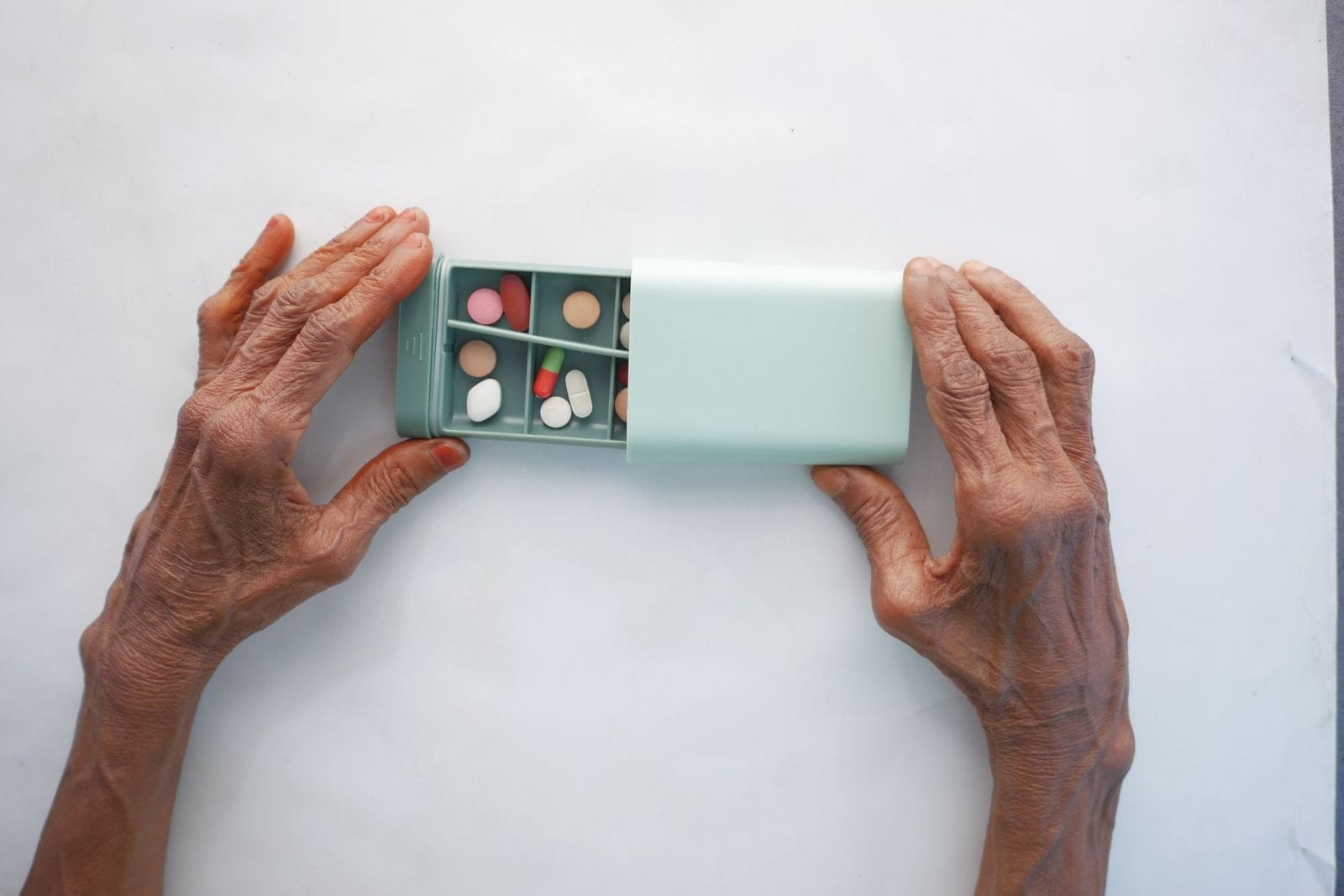
Older bodies process drugs differently. Kidneys and liver clear medicines more slowly, and most older adults take several medicines that can interact. The American Geriatrics Society's Beers Criteria list the medications most likely to cause harm after 65, and several common pain relievers are on it.
- Acetaminophen (Tylenol) is usually the first choice for mild to moderate joint and muscle pain. It's safe for most people within the daily limit, but it hides in many cold, flu and sleep products, and too much can damage the liver. Our guide to taking acetaminophen safely covers the limits.
- Topical anti-inflammatory gels such as diclofenac, rubbed into a sore knee or hand, ease arthritis pain with far less of the drug reaching the bloodstream than a pill.
- Oral anti-inflammatories like ibuprofen (Advil, Motrin) and naproxen (Aleve) raise the risk of stomach bleeding, kidney damage and high blood pressure in older adults, especially with blood thinners. The Beers Criteria advise against long-term use unless other options have failed and the stomach is protected.
- Muscle relaxants such as cyclobenzaprine and methocarbamol cause drowsiness and confusion and raise the risk of falls and fractures, so the Beers Criteria advise avoiding them.
- "PM" pain relievers contain diphenhydramine, an antihistamine that can cause confusion, constipation and falls in older adults.
- Opioids have a place for severe pain, but cause drowsiness, constipation and falls, and are risky combined with sleeping pills or anxiety medication. They need close supervision.
Use one pharmacy so the pharmacist sees every prescription, and ask them to review the whole list once a year. Our guide to medication management for seniors explains how families and caregivers can keep doses straight.
Relief you can use at home
Heat and cold, used safely
Heat suits stiffness. A warm shower in the morning, a warm towel, or a heating pad on low loosens arthritic joints and tight muscles. Cold suits swelling and fresh flare-ups: a cold pack or a bag of frozen peas wrapped in a thin towel. Keep either one to about 15 to 20 minutes, never put ice directly on skin, never sleep on a heating pad, and check the skin afterward. Older skin is thinner and burns more easily, and people with diabetes, neuropathy or dementia may not feel it happening.
Movement is treatment
It sounds backward, but moving is one of the best treatments for chronic joint and back pain. Resting too much weakens the muscles that support the joints, which makes the pain worse. The CDC recommends physical activity for people with arthritis because it reduces pain and improves function. A physical therapist can set a safe starting point. After that, short daily walks, water exercise in a warm pool, and tai chi, which is gentle on joints and good for balance, all help. Start small, ten minutes is fine, and build up. Some soreness at first is normal; sharp pain or swelling is a reason to back off and call the therapist.
Gentle massage
Light massage of the shoulders, back, hands or feet can relax tense muscles and comfort someone in pain. According to the National Center for Complementary and Integrative Health, the evidence shows modest, short-term relief for some kinds of pain, including neck pain and knee arthritis. Use slow, gentle strokes, ask about pressure, and avoid bruised areas, swollen legs and anywhere a blood clot is possible.
Breathing and relaxation
Pain and tension feed each other. Slow breathing, with one hand on the stomach, breathing in through the nose for a count of four and out through pursed lips for a count of six, calms the body and can take the edge off pain. Mindfulness classes and cognitive behavioral therapy for pain teach skills that help some people manage chronic pain and the worry that comes with it. They work best alongside other treatment, not instead of it.
Sleep and mood change how pain feels
Pain keeps people awake, and a bad night makes the next day's pain worse. Low mood does the same. Treat them together: a steady bedtime, the evening pain dose timed with the doctor's advice, a supportive mattress and pillows placed under or between the knees, and attention to depression, which is common and treatable. Our guides to sleep problems in older adults and mental health in older adults go further.
Set up the house to hurt less
Small changes cut the strain that sets pain off:
- A bed low enough that feet rest flat on the floor when sitting on the edge
- Firm chairs with higher seats and sturdy arms to push up from
- A raised toilet seat and grab bars by the toilet and shower
- A shower chair and a handheld shower head
- Lever handles on doors and faucets, and easy-grip kitchen tools
- Everyday things kept between waist and shoulder height
- A stool at the counter for cooking sitting down
Our guide to arthritis in the hands has more ideas for the small daily tasks that hurt most.
A daily rhythm that keeps pain in check
Pain is usually easier to manage on a schedule than in a crisis. Ask the doctor how to time doses so relief has started before the hardest part of the day, often getting up and bathing. Plan the heavier tasks for the time of day your parent feels best, and break them up with rest. Short periods of activity spread across the day work better than one big push followed by a day in the recliner. End the evening with something calming rather than chores.
When pain needs a doctor right away
Call the doctor or 911 for:
- Chest pain, or pain with shortness of breath or sweating
- A sudden, severe headache
- Any new pain after a fall, especially in the hip, back or head
- Severe back pain with leg weakness or loss of bladder or bowel control
- A hot, red, swollen joint, or pain with a fever
- Sudden severe pain in the abdomen
How a caregiver helps with pain
A caregiver who is there every day sees what a short doctor's visit can't: that your mother winces getting out of bed, sleeps badly when it rains, or stopped walking to the mailbox. Our caregivers help with the routines that keep pain in check, such as warm showers, the daily walk, the exercises the therapist assigned, medication reminders and meals, and they report changes to the family and to the registered nurse who oversees the care plan. Through our personal care and mobility care, we help people living with pain stay active and safe at home. To talk about what would help your parent, get in touch.
Common questions
Click or tap a question to see the answer.
What is the safest pain reliever for elderly people?
For most mild to moderate joint and muscle pain, acetaminophen is usually the first choice for older adults, taken within the daily limit their doctor sets and counting every product that contains it. Topical anti-inflammatory gels such as diclofenac, applied to a sore knee or hand, deliver relief with far less of the drug reaching the bloodstream. Oral anti-inflammatories such as ibuprofen and naproxen raise the risk of stomach bleeding, kidney problems and high blood pressure in older adults, and the American Geriatrics Society advises against long-term use unless other options have failed. The safest choice depends on the person's kidneys, liver, heart and other medications, so it should be a doctor's or pharmacist's decision.
How can you tell if an older person with dementia is in pain?
People with dementia often can't say they hurt, so pain shows up in behavior. Signs include grimacing or frowning, moaning or calling out, noisy or labored breathing, guarding or rubbing one part of the body, resisting care such as bathing or dressing, restlessness, new agitation or aggression, withdrawal, poor sleep and eating less. A sudden change in behavior should prompt a check for pain and its causes, such as a urinary infection, constipation, a dental problem or an injury from an unnoticed fall. Doctors and nurses use observation tools such as the PAINAD scale to score these signs.
What are non-drug ways to manage pain in older adults?
Regular movement is the most effective, including physical therapy, walking, water exercise and tai chi, which reduce arthritis pain and stiffness over time. Heat eases stiff joints and muscles, and cold calms swelling and flare-ups, each for about 15 to 20 minutes with a cloth between the pack and the skin. Gentle massage, slow breathing, relaxation and mindfulness practices can lower pain for some people, and good sleep reduces pain the next day. Home changes that cut strain, such as higher chairs with arms, a raised toilet seat and lever handles, help too.
Is heat or ice better for arthritis pain?
Heat usually works better for the stiffness of arthritis, especially in the morning, because it relaxes muscles and loosens joints; a warm shower, warm towel or heating pad on low all help. Cold works better for a joint that is swollen, hot or newly flared, because it reduces swelling and numbs pain. Either way, limit sessions to about 15 to 20 minutes, keep a cloth between the pack and the skin, check the skin afterward, and take extra care with people who have diabetes, neuropathy or dementia, who may not feel a burn.
When should an older adult see a doctor about pain?
See a doctor for pain that is new, getting worse, keeping someone from sleeping or moving, or not improving with the usual measures. Get help right away for chest pain, a sudden severe headache, pain after a fall, severe back pain with leg weakness or loss of bladder or bowel control, a hot swollen joint with fever, or sudden severe abdominal pain. A short pain diary noting when the pain happens, how bad it is from 0 to 10, and what helps makes the visit far more useful.