
Delirium vs dementia: the difference every family should know
Sudden confusion in an older adult is often delirium, not dementia. How the two differ, what sets delirium off, and how families can help recovery.

Sudden confusion in an older adult is often delirium, not dementia. How the two differ, what sets delirium off, and how families can help recovery.
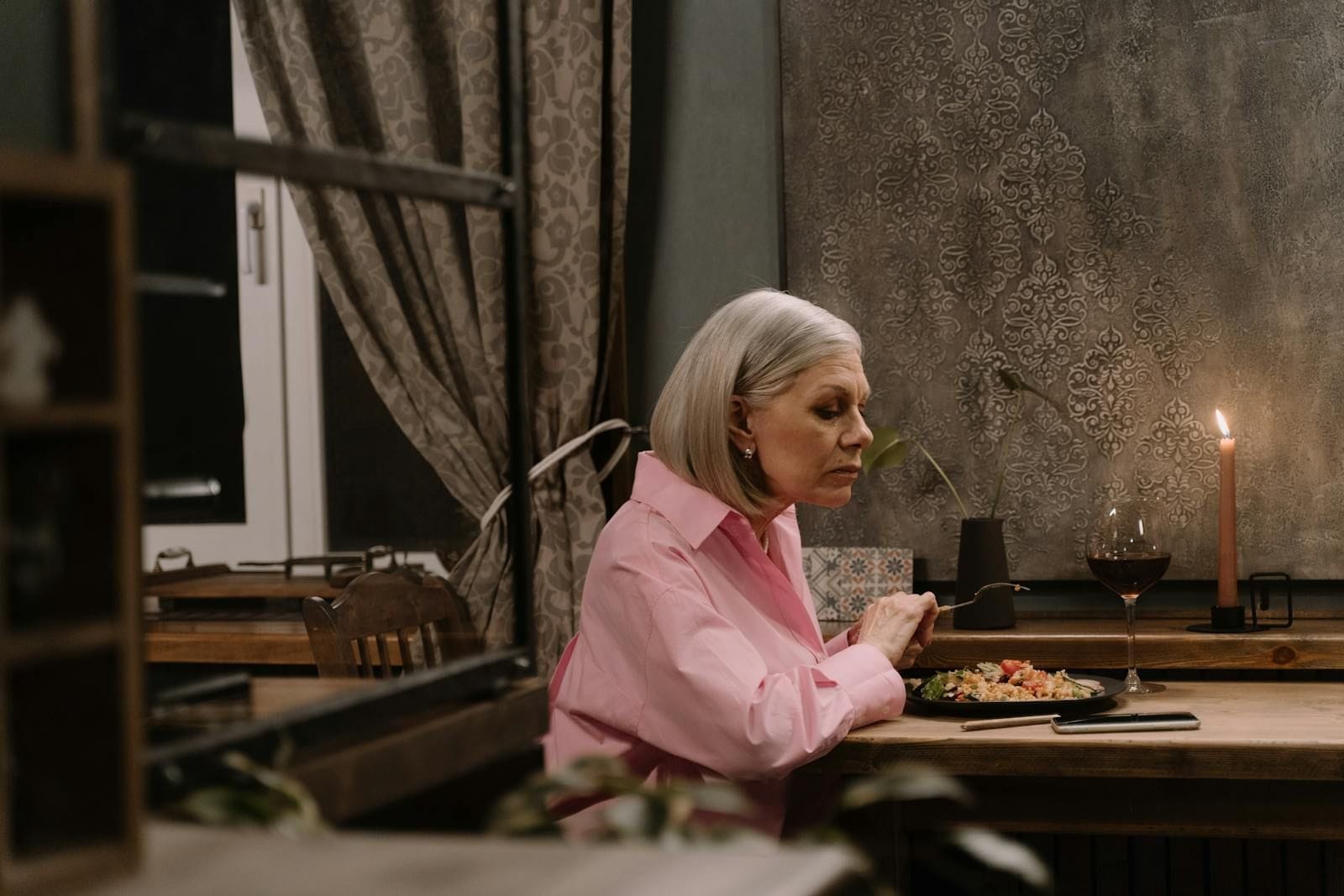
Why an aging parent stops eating, which changes need a doctor soon, and the small, practical steps that help more than appetite pills do.

In older adults, a urinary tract infection can show up as sudden confusion before any burning or fever. The signs to watch for and what to ask the doctor.

Respite care gives a family caregiver a planned break. What it looks like, what it costs, who helps pay, and how to set up your first few hours off.

Why late-day confusion and agitation happen in dementia, the stage when sundowning is most common, the evening habits that help, and when to call a doctor.

Medicare covers skilled home health visits, not daily personal care. Who qualifies, what Medicare pays for, what it doesn't, and how families fill the gap.

A New Jersey family's guide to paying for home care: what it costs, Medicaid MLTSS, PACE, JACC, veterans benefits, insurance, tax breaks and planning ahead.

Who started Always Responsive Home Care, how a nurse plans and supervises each family's care, the care we provide, and what happens after you call.

The signs of depression and anxiety in older adults, the daily habits that protect mental health, treatment that works after 65, and how caregivers help.
Send the form and we'll call you back to talk about your loved one and set up a free in-home assessment. There's no cost and no obligation.
By submitting this form, you agree to our Privacy Policy and Terms of Service.