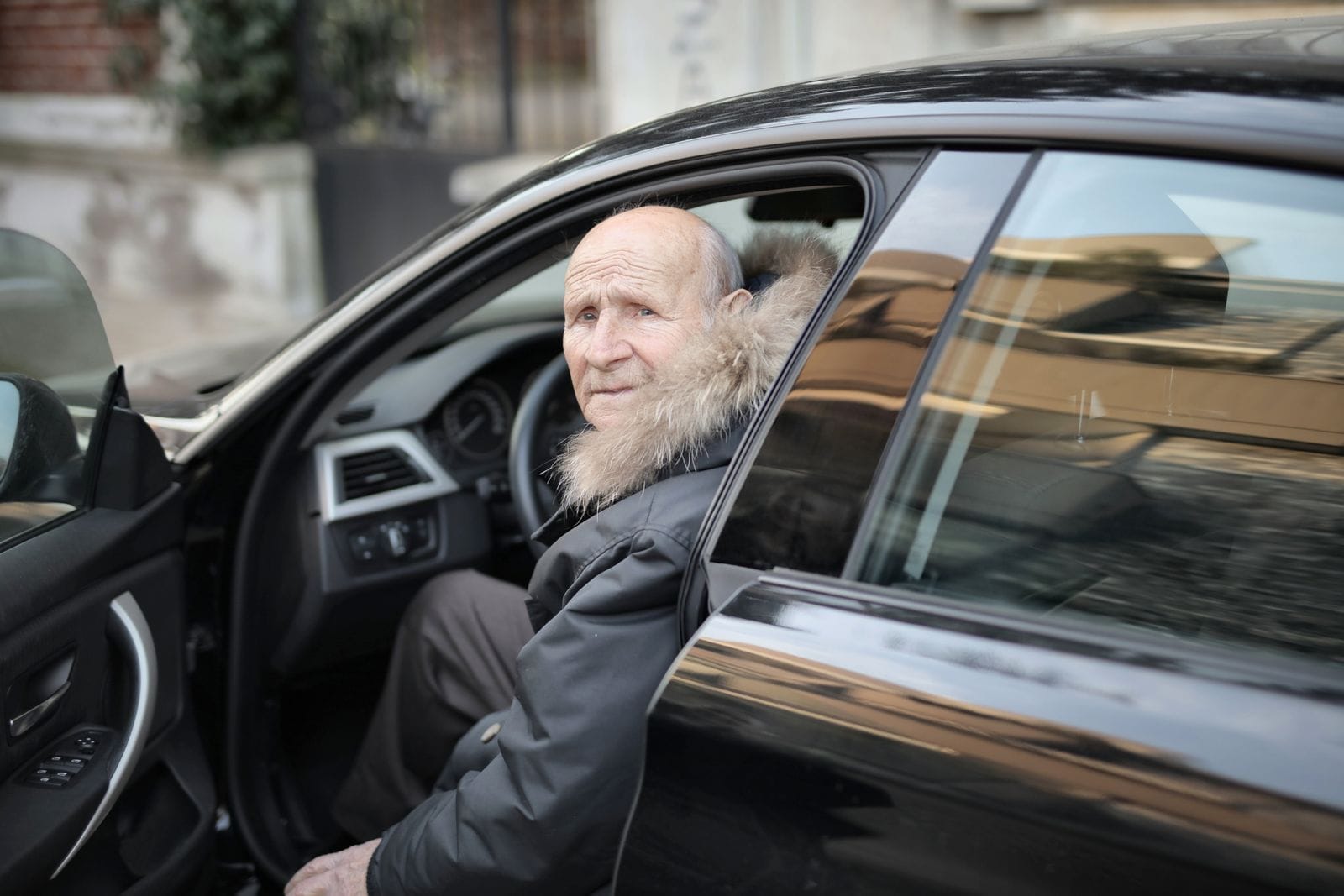
Dementia and driving: when to stop, and how to keep getting around
The signs that driving with dementia has become unsafe, how to raise it, how to report a driver in New Jersey, and how to get around without the car.
Published Updated

Knowing when to stop driving with dementia is one of the hardest calls a family makes. The car is how your father gets to the diner, to church, to his brother's house. Taking it away can feel like taking away the last piece of his independence. But dementia is progressive, and the Alzheimer's Association puts it plainly: a person living with Alzheimer's will, at some point, be unable to drive. The question isn't whether, but when.
The families who handle it best start early. They ride along before there's a crash, get an outside opinion from a doctor or a driving evaluator, and line up rides before the last drive, so losing the car doesn't mean losing the diner and the church.
When people with dementia need to stop driving
A diagnosis alone doesn't end driving. Some people in the early stage can still drive safely for a while, as long as someone checks regularly. Driving depends on memory, attention, judgment, reaction time and the ability to track several things at once, and dementia wears all of them down. According to the Alzheimer's Society, most people with Alzheimer's disease have to stop by the middle stage.
Some types of dementia affect driving sooner. Lewy body dementia can bring visual hallucinations and sudden swings in alertness, and frontotemporal dementia can bring impulsive, risky behavior, both of which may mean stopping earlier. Our guides to Lewy body dementia and the seven stages of dementia explain how these conditions progress.
Warning signs that driving is no longer safe
People with dementia often can't judge their own driving, so the family has to look. The most reliable way is to ride along, ideally on a route your parent drives often. Watch for:
- Getting lost or confused on familiar roads
- Taking much longer than usual to get somewhere
- New dents, scrapes or scuffed tires and curbed wheels
- Near misses, or other drivers honking often
- Missing stop signs, red lights or turns
- Drifting between lanes or straddling the line
- Driving far too slowly, or stopping in traffic for no reason
- Trouble judging gaps when turning left across traffic
- Confusing the gas and brake pedals
- Getting flustered, angry or frightened behind the wheel
Outside the car, look for traffic tickets, a warning from police, or a neighbor who mentions a close call in the parking lot. One sign on its own may not settle it. Several, or any sign that someone could have been hurt, means it's time to act.
Getting an objective answer
An outside opinion takes the decision off the family's shoulders, which helps everyone. Start with your parent's doctor, who can assess memory, attention, vision and medications, and give the advice directly. Many people will accept "you shouldn't drive" from a physician more easily than from their children.
For a fuller answer, ask for a driving evaluation by a driver rehabilitation specialist, usually an occupational therapist with extra training, who tests thinking skills in the office and then on the road. The Association for Driver Rehabilitation Specialists lists evaluators by area. If your parent passes, plan to check again every few months, because dementia keeps changing.
How to talk about giving up the keys
The conversations go better when they start early, before a crash or a frightening drive, while your parent can still take part in the decision.
- Talk about safety, not failure. "I'd never forgive myself if you were hurt, or hurt a child crossing the street" lands better than "you're a bad driver now."
- Be specific. Name the things you saw on your ride together, instead of general worries.
- Make a plan together. Some families write a short agreement early on, naming who will decide when it's time and what signs will count, which makes the later conversation less personal.
- Step down gradually. Daylight only, familiar routes, no highways, no bad weather, with someone riding along, gives your parent time to adjust.
- Acknowledge the loss. Giving up driving is a real grief. A Columbia University review found that stopping driving nearly doubled the risk of depressive symptoms in older adults and was linked to social circles about half the size. That's why having rides ready matters so much.
Our guide to talking with someone who has dementia has more on choosing words that don't start an argument.
If a parent keeps driving when it isn't safe
Sometimes the conversation doesn't work, especially when dementia has taken away a person's awareness of their own limits. Then families have to step in more firmly.
In New Jersey, a family member can write to the Motor Vehicle Commission's Medical Review Unit with their name and address, their relationship to the driver and what they've observed. The MVC doesn't accept anonymous reports. It can then require a medical report from the driver's doctor, and the driver must return it by the deadline or risk suspension. Doctors, police, courts and social workers can refer drivers too. New Jersey doesn't require doctors to report a dementia diagnosis, so in practice families and physicians usually start the process.
At home, families sometimes keep the keys, park the car somewhere else, or sell it. These steps can feel heavy-handed, but they're often kinder than repeated arguments, and safer than waiting for an accident. If your parent still has the car, keep the keys out of sight; a person with dementia who sees them may simply pick them up and go.
Getting around without the car
The goal is for your parent to keep going where they went before, just with someone else driving. Line up the rides before the last drive.
- Family and friends on a schedule. A shared calendar for the standing appointments, like Tuesday groceries and Sunday church, works better than asking for favors each week.
- County ride programs and paratransit. Every New Jersey county runs a senior transportation program, and NJ TRANSIT's Access Link provides paratransit for people who can't use regular buses. When a shared ride won't do, our caregivers can drive your loved one to appointments, errands and visits and stay with them, as part of companion care. Outside New Jersey, the federal Eldercare Locator can point you to local services.
- A caregiver who drives. A caregiver can take your parent to the doctor, the hairdresser and the grocery store, and stay with them the whole time, which matters for someone who might get confused in a waiting room or wander off in a store.
- Deliveries for the rest. Pharmacies, grocery stores and meal programs deliver, which keeps the rides for the outings that matter most.
Our guide to senior transportation services compares the options in more detail.
Traveling with dementia
Trips can still happen, especially in the early stage, but they take more planning. New places, crowds and broken routines can bring on confusion and agitation, so keep travel as simple as possible.
- Plan short trips, travel at your parent's best time of day, and build in rest. Avoid tight connections.
- Pack medications, a current medication list, and comfort items like a favorite sweater in the bag that stays with you.
- Make sure your parent carries identification and an emergency contact. A medical ID bracelet helps if they wander in an unfamiliar place.
- If flying, call the TSA Cares helpline at least 72 hours before the flight to ask about help at screening, and tell the officer at the checkpoint about the dementia; TSA officers can screen someone with dementia without separating them from their companion. Ask the airline for wheelchair or escort service through the airport.
- Keep the daily routine as close to home as you can: the same meal times, the same evening wind-down.
In the later stages, the strain of a trip often outweighs the pleasure. Having family come to visit, or bringing the celebration to your parent's house, may be the kinder choice.
How home care helps after the keys are gone
For many families, the end of driving is the moment they first bring in help. A caregiver can take your parent to appointments and errands, sit with them through the visit, and keep up the outings that make a week feel like their own. Our caregivers are trained in dementia care, and our homemaker and companion care include rides to appointments, errands and outings. If your parent has stopped driving, or is about to, talk with us about rides and company that fit their week.
Common questions
Click or tap a question to see the answer.
At what stage of dementia should a person stop driving?
There is no fixed stage, because dementia affects driving differently from person to person. Some people in the early stage can still drive safely for a time if they are checked regularly, but most people with Alzheimer's disease can no longer drive safely by the middle stage. People with Lewy body dementia may need to stop earlier because of visual hallucinations and swings in alertness, and people with frontotemporal dementia because of impulsive behavior. The decision should rest on how the person actually drives, ideally confirmed by a doctor or a formal driving evaluation, and revisited every few months.
What are the signs a person with dementia is no longer safe to drive?
Common signs include getting lost on familiar routes, taking much longer to get places, new dents or scrapes on the car, near misses, missing stop signs or red lights, drifting between lanes, stopping in traffic for no reason, confusing the gas and brake pedals, trouble turning left across traffic, and getting angry or flustered while driving. Traffic tickets, warnings from police or worried comments from neighbors are also signs. Because people with dementia often can't judge their own driving, family members should ride along regularly to see for themselves.
How do you report an unsafe driver with dementia in New Jersey?
In New Jersey, a family member can write to the Motor Vehicle Commission's Medical Review Unit with their name and address, their relationship to the driver, and what they have observed about the person's driving. The MVC can then require a medical report from the driver's doctor, and the driver must return the forms within the deadline or risk suspension. Doctors and police officers can also refer drivers on their own forms. New Jersey does not require doctors to report a dementia diagnosis, so families and physicians usually start the process.
How do I get a parent with dementia to stop driving?
Start early, while your parent can still take part in the decision, and talk about safety rather than blame. Point to specific things you've seen, and ask their doctor to give the advice directly, since many people accept it more easily from a physician. A written agreement made early about when to stop can help later. Reduce driving gradually, with daylight, familiar routes and no highways, and have rides arranged before the last drive. If your parent keeps driving after it is clearly unsafe, the doctor, the MVC's Medical Review Unit, or keeping the keys may be necessary.
How can you travel safely with someone who has dementia?
Keep trips short and simple, travel at the person's best time of day, and keep their routine, medications and comfort items with you. If flying, call the TSA Cares helpline at least 72 hours before the flight to ask about screening help, request wheelchair or escort assistance from the airline, and carry medications in hand luggage. The person should carry identification and an emergency contact, and a medical ID bracelet helps if they wander. In the later stages of dementia, the strain of travel often outweighs the benefit, and having family visit may be kinder.